Metal Watch Band Selection by Fit, Comfort, and Style
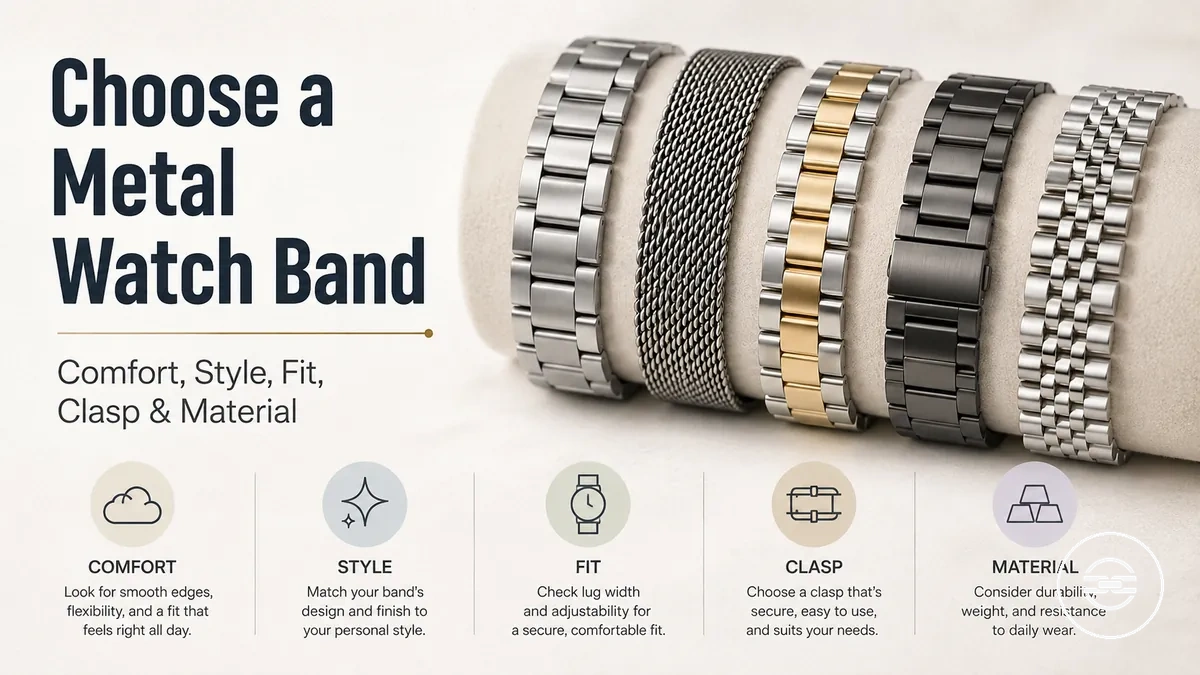
Metal watch band selection depends on how well the band matches the watch case, wrist size, wearing context, and preferred bracelet feel. The right choice balances compatibility and build quality with physical fit, wearing comfort, and visual style rather than relying on a single feature. Fit, comfort, and style form the core decision lens for selecting a metal watch band.
Choose a metal watch band by first confirming compatibility with the watch case and then considering how it may feel during daily wear. Wrist size, clasp design, material, finish, bracelet feel, and the available adjustment can all influence comfort and security. Visual style also depends on how the band complements the watch case, while overall suitability may vary with daily use and personal preference.
If the watch will be worn throughout the day, a comfortable fit often depends on balanced weight, secure attachment, and a clasp that does not create unnecessary pressure. A polished or brushed finish may suit different wearing contexts, depending on the appearance you prefer and how the watch is used. Product examples appear only in the final buying-check section after the decision criteria have been explained. The next step is to evaluate the first selection signal: watch case compatibility.
The Main Selection Signals in a Metal Watch Band
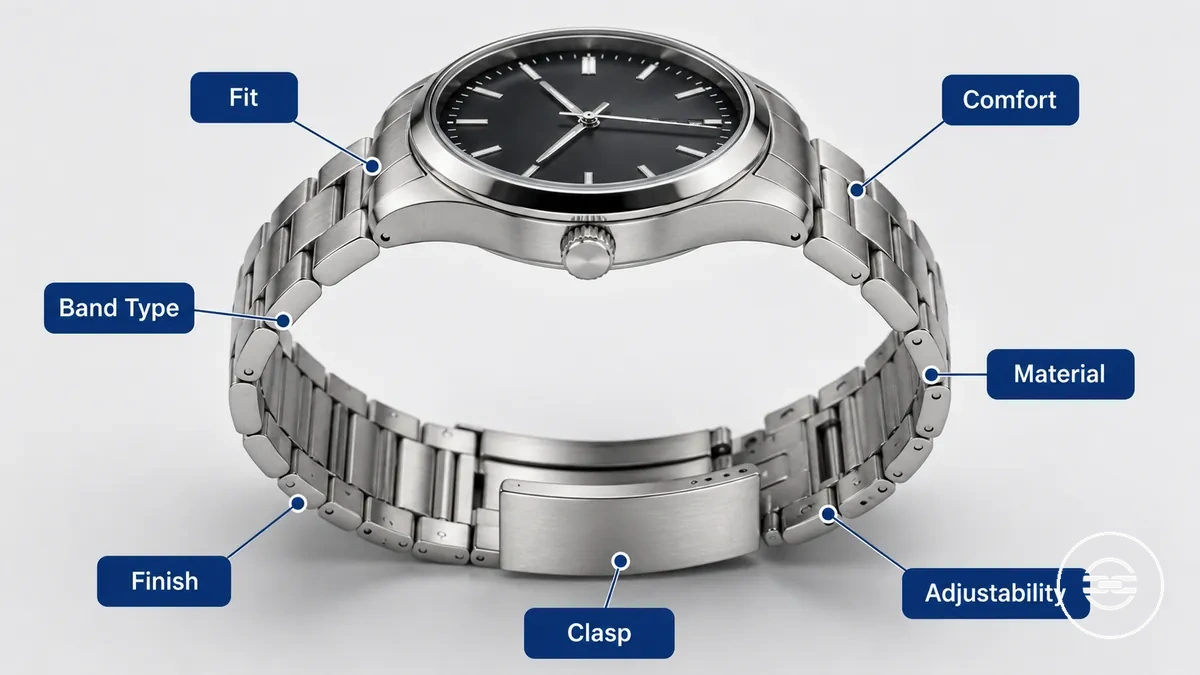
The main selection signals in a metal watch band are the connected decision factors that influence how suitable a band may be for a particular watch and wearer. These selection signals include fit, comfort, band type, material, finish, clasp security, adjustability, and wearing context. They should be evaluated together because each factor can affect the others depending on the watch case, wrist size, and intended use.
The main selection signals in a metal watch band are easier to compare when organised by decision impact rather than viewed as isolated features. The image labels the fit, clasp, material, finish, and attachment criteria used in this overview. metal watch bands are watch bracelets made with metal links or mesh, so their selection signals help frame compatibility, comfort, and appearance. The table groups these criteria before later sections examine sizing, compatibility, and materials in greater detail.
| Signal | What to check | Why it matters |
|---|---|---|
| Fit | Wrist size, lug width, and attachment | Helps assess compatibility and wearability |
| Comfort | Weight, clasp position, and wrist movement | May influence comfort during daily wear |
| Type | Link or mesh bracelet type | Changes bracelet feel and appearance |
| Material | Metal construction, weight, and skin feel | Can affect comfort and build quality |
| Finish | Surface texture and case tone | May influence how the band matches the watch |
| Clasp | Closure design and fastening security | Can affect security and pressure during wear |
| Adjustability | Available link or clasp adjustments | Supports a closer fit when wrist size or preference varies |
If the watch is intended for daily wear, comfort and adjustability may carry more decision impact than finish alone, while a dress-watch use case may place greater emphasis on style and case tone. The trade-off between these selection signals depends on the watch case, wrist, and wearing context rather than any single condition. Detailed sizing, compatibility, and material checks belong in their dedicated sections.
Metal Watch Band Types and Their Wearing Trade-Offs
Metal watch band types influence wearing feel, structure, adjustability, and style role, so the most suitable choice depends on how the watch will be used. Mesh, solid link, and expansion-style designs each present different trade-offs in flexibility, visual weight, and overall wrist feel. Comparing these band types together provides a clearer basis for selection than evaluating any single attribute in isolation.
The image compares metal watch band types to show how each design differs in texture, structure, and wearing feel. 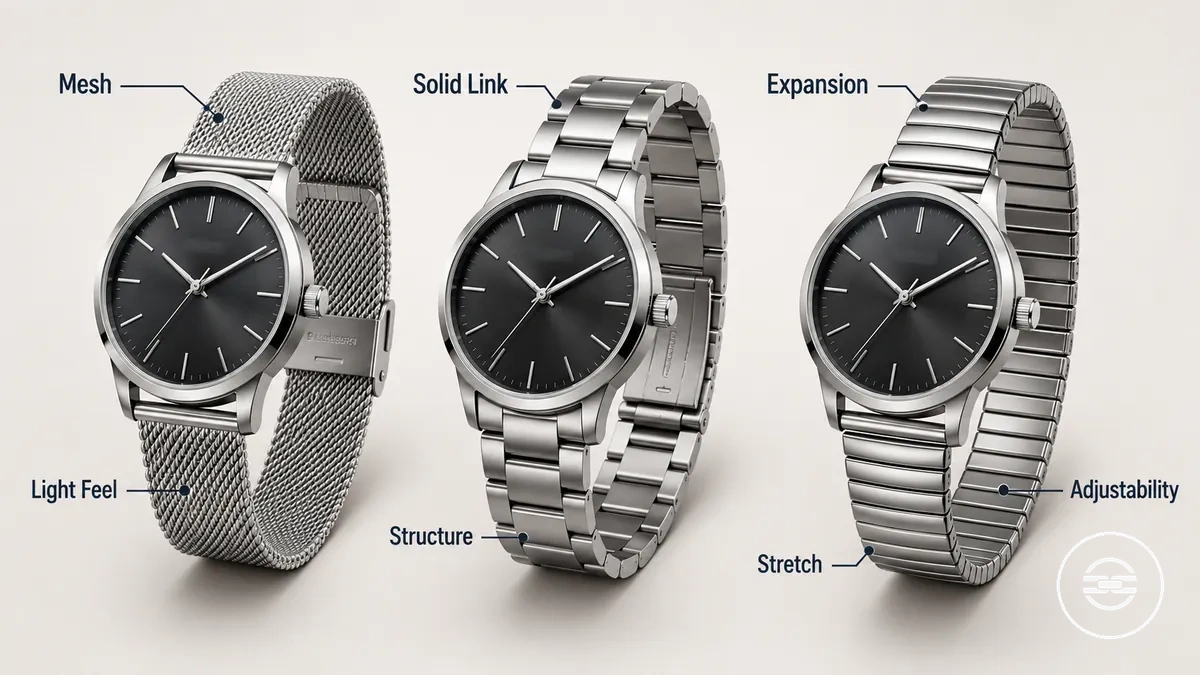 For daily wear, a mesh band may offer a lighter feel and easier adjustability depending on the clasp design. A solid link bracelet may provide greater structure and dress presence, while an expansion-style band may suit users who prefer stretch and convenient sizing. Each band type involves a trade-off between flexibility, structure, adjustability, and the intended wearing outcome.
If choosing between band types is difficult, compare their trade-offs before focusing on individual finishes or designs. The comparison table below summarises the main differences, while the dedicated guide to metal watch band types explores each bracelet style in greater detail.
| Band type | Main feel | Style signal | Selection caution |
|---|---|---|---|
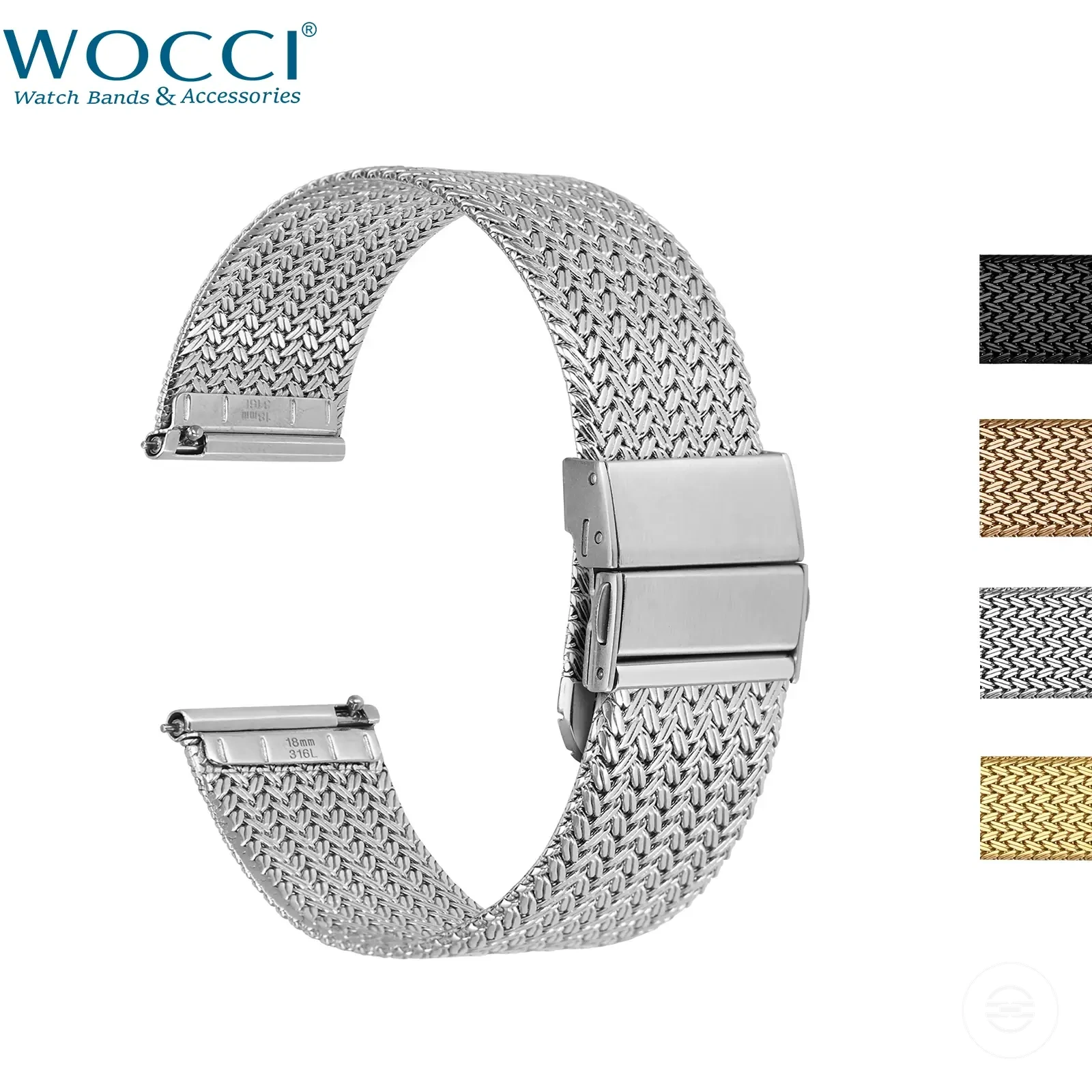
| Mesh | Flexible and light | Clean, refined appearance | Fit and adjustment depend on the clasp design |
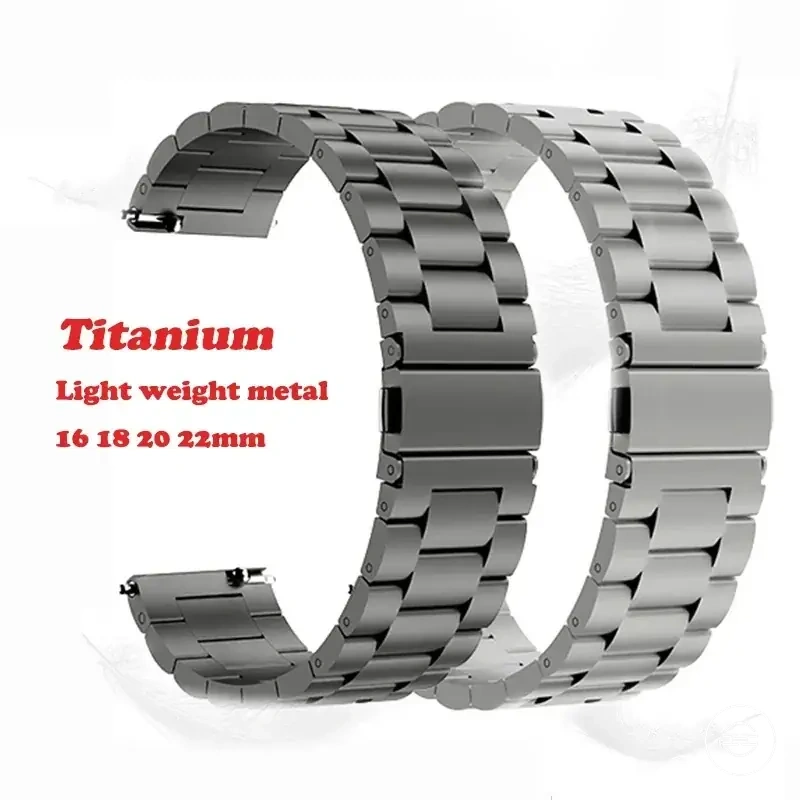
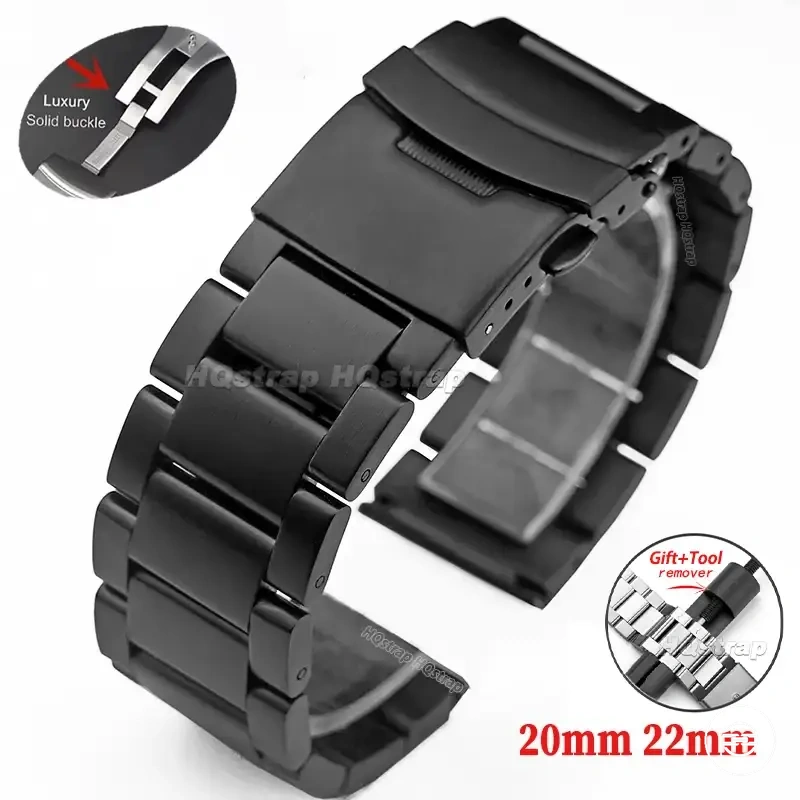
| Solid link | Structured with more weight | Strong dress presence | May require link adjustment for a closer fit |
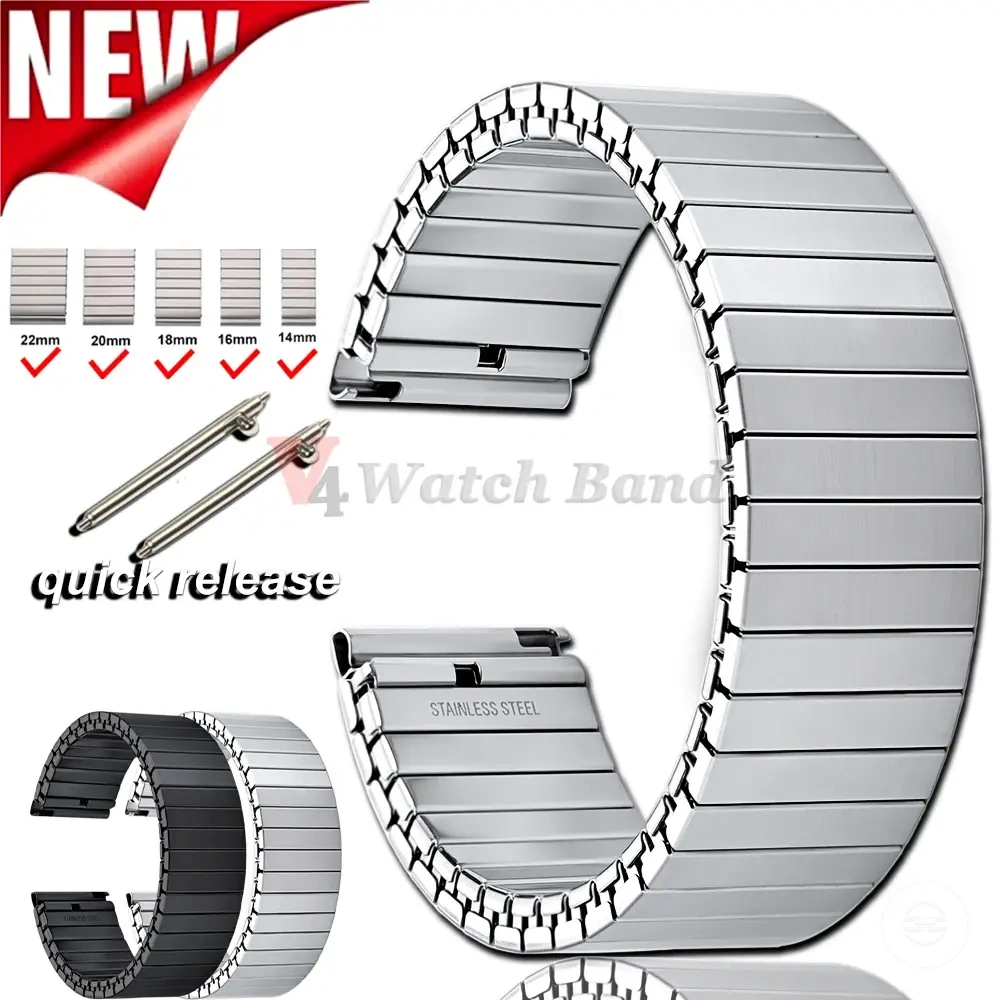
| Expansion-style | Stretchable and convenient | Practical everyday look | Comfort depends on wrist size and band tension |
A mesh bracelet may suit mixed-use wear when flexibility is valued, while a solid link bracelet may better complement watches where a more structured appearance is preferred. Expansion-style bands can be practical for convenient everyday wear, but the preferred band type ultimately depends on the watch, the wrist, and the intended use case.
Mesh Bands for Flexibility and Light Wrist Feel
A mesh band is a woven metal watch band that can provide flexibility by allowing the weave to follow the shape of the wrist. Mesh bands for flexibility and light wrist feel depend on weave density, clasp adjustment, edge finish, and wrist contact rather than the woven pattern alone. The image below highlights the mesh texture, sliding clasp area, and flexible drape that influence these wearing characteristics.
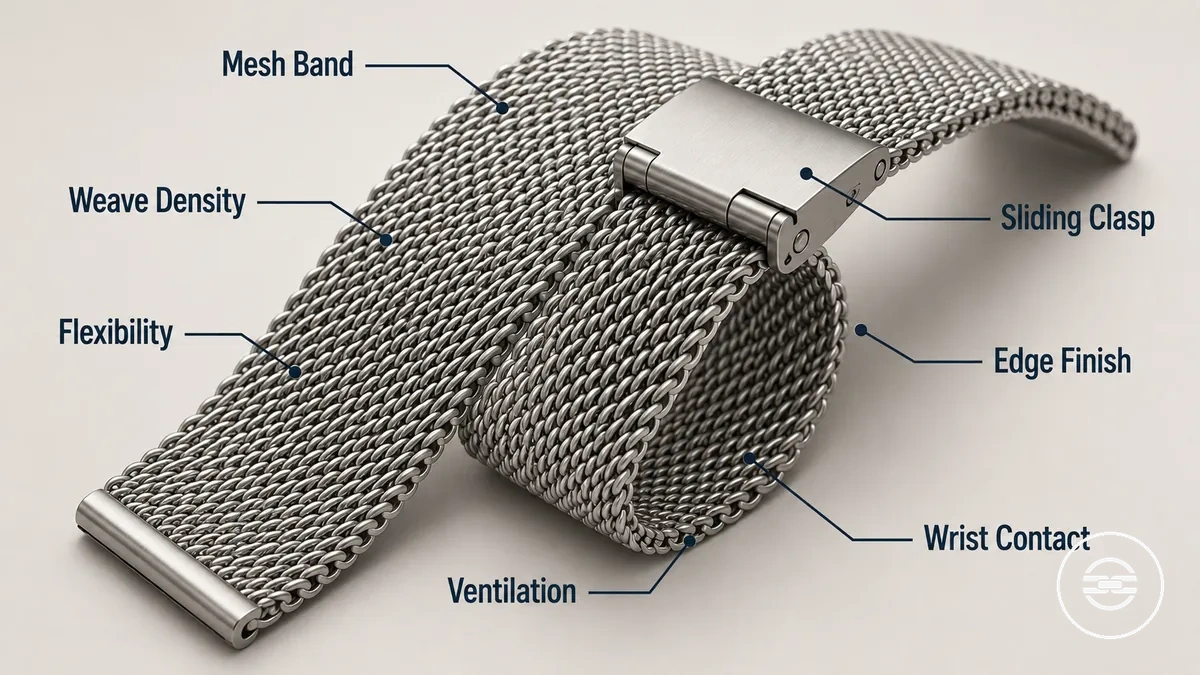
- Weave density: A finer or denser weave can influence flexibility and the overall wrist feel.
- Ventilation: The woven construction may promote airflow around the wrist, although the result depends on wrist contact and wearing conditions.
- Clasp adjustment: A sliding clasp may offer a wider adjustment range to help achieve a closer fit across different wrist sizes.
- Edge finish: A smooth edge finish may improve wrist contact, while rougher edges can increase irritation risk depending on fit and wrist movement.
When a mesh band is matched to the wrist through suitable weave density, clasp style, and edge finish, it may provide a lighter wearing feel than a solid link bracelet. Comfort and style outcome still depend on wrist shape, clasp adjustment, and finishing quality rather than the mesh construction alone.
Solid Link Bands for Structure and Dress Presence
A solid link band is a metal watch band that emphasises structure, visual presence, and bracelet stability through its link construction. Link articulation, thickness, taper, and end-link fit are key attributes that can influence comfort, fit, style, and the overall outcome. Their effect depends on bracelet adjustment, wrist shape, and the wearing context rather than the link design alone.
- Link articulation: Greater link movement may improve comfort, while a more rigid construction can provide a steadier wrist feel depending on the wearing condition.
- Link thickness: Thicker links may increase visual presence and perceived weight, influencing the style outcome according to the bracelet design.
- Taper: A bracelet that tapers toward the clasp may create a more balanced fit and dress appearance for some wearers.
- End-link fit: Well-matched end-link fit may improve bracelet stability, although the outcome depends on case fit, wrist movement, and adjustment.
When a solid link band is chosen for a dress-focused or structured look, its link construction and finish may create stronger visual presence than a more flexible metal watch band design. Comfort, stability, and style outcome still depend on bracelet fit, wrist movement, and wearing conditions rather than solid-link construction alone.
Fit and Compatibility Conditions Before Selection
A metal watch band should be chosen only after confirming the physical fit conditions of both the watch and the wrist. Compatibility depends on measurable conditions rather than style preference alone. Checking these fit conditions first helps reduce the risk of selecting a bracelet that may not fit securely or comfortably.
- Lug width: Verify the lug width because an incorrect measurement may prevent proper compatibility with the watch case.
- Attachment style: Confirm that the attachment style matches the watch case, as different systems may affect bracelet fit.
- End link: Check that the end link shape suits the watch case because a mismatch may influence fit and appearance.
- Spring bar: Inspect the spring bar condition, since worn or damaged spring bars may reduce attachment security.
- Wrist circumference: Compare wrist circumference with the bracelet adjustment range because comfort and fit depend on this condition.
If any of these conditions are uncertain, verify the measurements before making a selection instead of relying on appearance alone. For a more detailed evaluation of metal watch band compatibility, including measuring methods and compatibility procedures, refer to the dedicated support resource. This section is intended to filter compatibility before selection, while detailed measuring and compatibility procedures belong in that dedicated resource.
Lug Width and Attachment Style
Lug width and attachment style are local fit conditions that determine whether a metal watch band can physically connect to a watch case. They should be checked before comparing wrist size, adjustment range, removable links, or micro-adjustment because those features matter only after the bracelet can attach correctly. The final fit depends on both the watch case and the attachment hardware.
If a watch bracelet appears compatible but the watch case uses a different lug width, end shape, or attachment design, the connection may not be secure. Verify the watch case details first, then refer to the metal watch band sizing guide when measurements need clarification rather than relying on appearance alone. Check these conditions before choosing a band:
- Lug width: Confirm that the band width matches the watch case because a mismatch may prevent proper attachment.
- Straight or curved end: Verify that the end shape suits the watch case, as case geometry can affect bracelet fit and attachability.
- Spring bar access: Check that the attachment points allow the spring bars to be fitted securely, as restricted access may affect attachment security.
- Quick-release design: Confirm that the attachment style is compatible with the watch case because quick-release systems vary by design.
Wrist Size and Adjustment Range
Wrist size and adjustment range determine whether a metal watch band can achieve a comfortable and practical fit. Wrist circumference, preferred tightness, and normal swelling variation should be considered after confirming that the lug width and attachment style are already suitable for the watch case.
If the available adjustment mechanism cannot accommodate normal wrist movement or size variation, the watch bracelet may feel too tight, too loose, or less stable during wear. The most suitable adjustment method depends on the band design and the required fit rather than a single system working for every wrist. Check these conditions:
- Removable links: Link removal can shorten the bracelet, although the remaining link spacing may limit fine fit adjustments.
- Clasp micro-adjustment: A micro-adjustment mechanism may provide smaller fit changes that help manage pressure and wrist movement.
- Mesh slider range: A sliding clasp can offer flexible positioning when its adjustment range suits the wearer's wrist size.
- Expansion-band stretch: An expansion band may accommodate changes in wrist circumference, although its wearing feel can vary by design.
Comfort Factors for Daily Wear
Daily comfort depends on how a metal watch band supports wrist movement over extended wear. The most useful criteria combine band construction, clasp design, build quality, and adjustment because these attributes influence long-term comfort more than appearance alone.
Office wear, warm weather, long wear sessions, and dress use can change how a bracelet feels because heat, wrist movement, and wear duration vary. A bracelet that feels comfortable initially may become less comfortable if the clasp creates pressure or the available adjustment does not suit the wrist throughout the day. Evaluating each decision signal together can reduce the risk of selecting a band that matches the watch but not the intended wearing context.
Use this checklist when comparing daily-wear comfort:
- Band type: Different bracelet designs distribute weight and contact with the wrist differently, so comfort depends on the wearing context and personal preference.
- Link articulation: Flexible links can follow wrist movement more naturally, which may reduce pressure during extended wear.
- Clasp placement: A well-positioned clasp can improve security and reduce localized pressure when the bracelet fit is properly adjusted.
- Edge smoothness: Rounded or well-finished edges may reduce irritation where the metal band contacts the skin.
- Breathability and weight: Airflow and bracelet weight can influence comfort during warm conditions or long wear sessions, although the effect varies by wrist shape and personal preference.
Weight, Flexibility, and Breathability
Weight, flexibility, and breathability are local attributes that shape how a metal watch band feels during daily wear. Each attribute interacts with bracelet fit, clasp position, finish, and wrist movement, so the comfort outcome depends on more than band style alone.
If a watch bracelet feels heavy, warm, or restrictive, bracelet construction is one condition to evaluate alongside wrist fit and wearing context. Compare these attributes rather than assuming one design is consistently more comfortable, because mass, articulation, airflow, and skin contact can vary between constructions. Consider these points:
- Heavier solid links: Greater mass may create a more substantial feel, but wrist fatigue can increase during long wear depending on bracelet fit and adjustment.
- Flexible mesh construction: Increased articulation may support wrist movement, while airflow depends on the bracelet design and how closely it contacts the skin.
- Tighter bracelet construction: A larger contact area may retain more heat or create pressure when the fit is snug, although the effect varies with the finish, clasp position, and wearing context.
Clasp Position and Wrist Security
Clasp position and wrist security are local attributes that influence how a metal watch band feels during daily wear. Clasp placement, closure design, and fit work together to affect pressure, confidence during movement, and the overall comfort outcome, while style alone does not determine the wearing experience.
If the clasp creates pressure or the bracelet shifts during movement, evaluate the clasp as a local condition rather than assuming the entire watch bracelet is unsuitable. An adjustment or different clasp position may improve comfort and security, although the result depends on wrist shape, bracelet fit, and construction. Use this mini-checklist to assess the local comfort effect:
- Clasp size: A larger clasp may create more contact with the underside of the wrist, which can affect comfort during extended wear.
- Underside position: Clasp placement can change how pressure is distributed across the wrist, with the outcome varying by bracelet fit.
- Locking mechanism: A secure closure can reduce accidental-opening risk during normal movement, but comfort still depends on overall bracelet fit.
- Micro-adjustment: An available adjustment range may help balance pressure and wrist security as fit needs change during wear.
Style Matching for Dress, Casual, and Everyday Watches
Style matching depends on pairing the metal watch band with the watch case, dial formality, and intended wearing context. A suitable combination may create a balanced appearance, while visual fit varies with case finish, bracelet taper, metal tone, and the overall style of the watch.
If a metal band appears too heavy, too casual, or too formal, compare its visual proportions with the watch before relying on personal preference alone. A wider bracelet, bold link shape, or contrasting finish may suit one watch but look less balanced on another, depending on case size, dial formality, and wearing context. Matching the bracelet to both the watch and the intended use usually leads to a more consistent style decision.
Use these criteria when comparing style options:
| Watch style | Metal watch band considerations |
|---|---|
| Dress watch | A slimmer bracelet taper, refined link shape, and a case finish with a similar metal tone may create a more formal appearance when the dial design is understated. |
| Casual watch | A broader link profile or more prominent finish may complement a relaxed look, provided the bracelet does not visually overpower the watch case. |
| Everyday watch | A balanced bracelet taper, moderate visual weight, and coordinated metal tone can adapt to different wearing contexts, although the outcome depends on the overall watch design. |
Material and Finish Choices That Affect Look and Feel
Material and finish choices influence how a metal watch band looks, feels, and is perceived during daily wear. They can affect skin feel, visual style, weight perception, and perceived durability, although the outcome depends on the alloy, coating quality, surface finish, and wearing context.
If a bracelet appears too reflective, too subdued, or less comfortable than expected, compare its material and surface treatment before judging the design alone. A coated finish can change colour and texture, while a brushed surface, polished surface, or matte finish alters light reflection and visual character. User sensitivity and long-term appearance may also vary with coating quality, alloy composition, and surface condition, so evaluating these attributes together supports a more informed selection.
| Material or finish | Attribute | Condition | Effect or decision |
|---|---|---|---|
| Stainless steel | Solid metal construction | Weight perception and durability vary by alloy, bracelet construction, and finish quality | May suit users seeking a substantial look and feel that matches the wearing context |
| Coated finish | Applied colour or surface layer | Appearance depends on coating type, quality, and daily use | Supports specific colour preferences while acknowledging that visible wear may vary |
| Brushed surface | Directional texture | The visual effect depends on grain consistency and case finish | May create a restrained appearance with reduced surface reflection |
| Polished surface | Reflective finish | Reflection and visible marks vary with lighting, use, and finish quality | May complement watches intended to appear more formal |
| Matte surface | Low-reflection texture | The final look depends on the surface treatment and surrounding design | May suit watches intended to minimise visual shine |
| Tone matching | Colour relationship between band and case | Visual harmony depends on finish, undertone, and design contrast | Helps guide selection when balancing continuity or intentional contrast |
For a broader comparison of alloys, coatings, and surface characteristics, see metal watch band materials, which covers material-specific differences beyond this selection-focused overview.
Clasp and Build Quality Checks Before Buying
Clasp and build quality are final criteria that can influence the security, comfort, and long-term confidence of a metal watch band. Inspecting the main bracelet components before choosing a band can reveal warning signs without assuming that a higher price guarantees better construction.
If a bracelet feels loose, produces excessive noise during movement, or shows uneven construction, inspect each component rather than judging the band as a whole. A secure clasp, stable links, consistent finishing, and precise adjustment can support confidence during wear, while poor articulation, sharp edges, or weak tolerances may increase the risk of reduced comfort or inconsistent fit. Use these decision signals together rather than relying on a single feature.
- Clasp mechanism: Confirm that the clasp closes and releases consistently, as uncertain engagement is a decision signal of reduced security.
- Link solidity: Check for excessive side movement, poor articulation, or noisy links, which may indicate less consistent construction and a less controlled wrist feel.
- End-link stability: Inspect whether the end links remain stable at the case connection, since noticeable shifting may affect fit and confidence.
- Pin quality: Pins should appear properly seated and aligned, as loose or uneven placement may increase the risk of movement or difficult adjustment.
- Finish consistency: Check for uneven brushing, polishing, or sharp edges, because inconsistent finishing may reduce comfort and indicate weaker quality control.
- Adjustment precision: Confirm that the available sizing points support controlled bracelet fit, since weak adjustment tolerance may make stable and comfortable sizing harder to achieve.
A band is a stronger choice when the clasp closes securely, the links articulate without excessive noise, the edges feel smooth, and the adjustment range supports a stable fit.
Secure Closure and Micro-Adjustment Needs
Secure closure and micro-adjustment are important criteria when evaluating a bracelet clasp and overall build quality. A clasp should remain secure during normal wear while allowing practical adjustment for changing wrist fit and long-term comfort. The most suitable closure depends on the bracelet design, wearing context, and intended use rather than a single clasp style.
If a bracelet feels loose, too tight, or shifts during movement, inspect the closure and adjustment features before making a decision. The following checks connect each component to its potential security, fit, or risk outcome while remaining focused on clasp evaluation within the broader build-quality assessment.
- Lock type: Confirm that the clasp engages positively, as a secure lock is a useful decision signal of more consistent closure.
- Release resistance: The release should require deliberate operation without being excessively difficult, since unintended opening may increase security risk.
- Adjustment increments: Smaller adjustment increments may help achieve a more precise bracelet fit when wrist size changes during long wear or changing conditions.
- Underside comfort: Check that the underside of the clasp rests smoothly against the wrist, because pressure points or protruding edges may reduce comfort even when the closure remains secure.
Solid Links, End Links, and Overall Bracelet Stability
Solid links, end links, and overall bracelet stability are build-related attributes that influence how a metal watch band feels and behaves on the wrist. Their construction, attachment, articulation, and movement tolerance can affect noise, perceived stability, comfort, and long-term fit without determining the bracelet's style on their own.
If a bracelet rattles excessively or shifts noticeably at the case connection, inspect these local build signals before judging its overall quality. Stable construction may improve confidence during wear, while wider tolerances can change the wearing outcome depending on the bracelet design and condition. Use this mini-checklist to evaluate bracelet stability within the broader build-quality assessment.
- Solid links: More rigid link construction may reduce rattling and contribute to a steadier wrist feel when manufacturing tolerances are consistent.
- Folded links: Lighter construction can produce more movement or sound depending on wear and assembly, so evaluate the condition rather than appearance alone.
- Straight end links: Check that the attachment remains stable, as excessive play may affect perceived fit and confidence.
- Curved end links: A close connection to the watch case may improve the overall feel when the attachment fit and tolerances are appropriate.
- Pin stability: Properly seated pins with minimal unwanted movement can indicate more consistent bracelet stability and comfort.
Final Buying Checks for a Metal Watch Band
Final checks help confirm whether a metal watch band is suitable before comparing purchase options. Verify fit, comfort, style, material, clasp security, and compatibility together because the overall outcome depends on how these attributes work as a complete package.
If one important condition is uncertain, compare further before making a decision. A band that matches the watch but offers limited adjustment, uncertain clasp security, or an unclear return-risk condition may deserve additional review, while a bracelet that satisfies the key checks is more likely to suit the intended wearing context.
Use this compact checklist to verify purchase readiness. For a more detailed step-by-step reference, see the metal watch band buying checklist.
- Lug width: Confirm compatibility with the watch case before proceeding; if the size is uncertain, compare further.
- Wrist adjustment: Check that the available adjustment range supports a comfortable fit; limited sizing may affect long-term comfort.
- Band type: Verify that the bracelet design matches your intended use and wearing preferences; otherwise, consider alternatives.
- Material and finish: Ensure the material, finish, look, and feel match your expectations; if they do not, reject the option.
- Clasp security: Confirm that the clasp operates consistently and remains secure during normal movement; uncertainty may justify further comparison.
- Return-risk condition: Review the seller's return terms when compatibility or fit cannot be confirmed before purchase.
Completing these final checks helps narrow the decision without relying on assumptions or product rankings. When compatibility, fit, comfort, material, style, and clasp security align with your needs, you may proceed with greater confidence; otherwise, compare further or reject the option based on the remaining uncertainty.
The products below are useful examples for comparing available options. Before buying, check that the compatibility criteria, key features, and product details match your needs.