
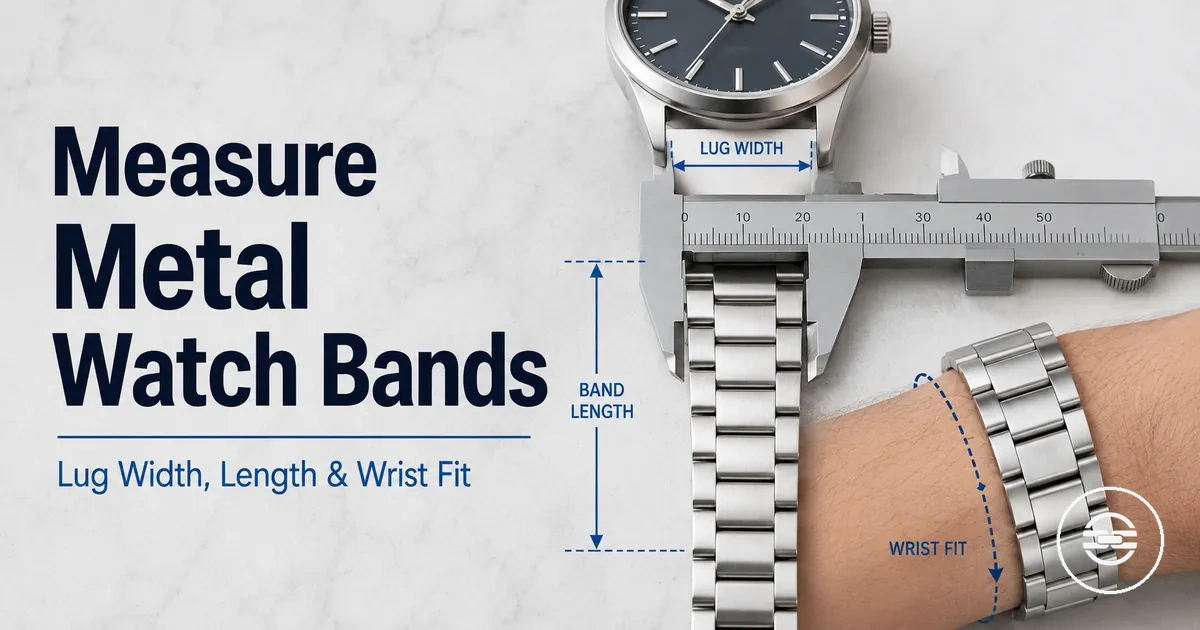
Metal Watch Band Sizing: Lug Width, Length, and Wrist Fit
Metal watch band sizing depends on lug width, band length, and wrist fit. These measurements determine how a replacement band relates to the watch case and how the bracelet may fit around the wrist. Begin by identifying the lug width, then confirm the band length, and finally assess the wrist fit.
Lug width is the physical distance between the case lugs, bracelet length describes the overall length of the metal bracelet, and wrist circumference provides the reference for evaluating fit. Together, these measurements help assess how the clasp, removable links, and adjustment range may influence comfort. Metal watch bands are sized by considering these connected measurements rather than a single dimension, so millimetre accuracy matters.
A mismatch in lug width can prevent a replacement band from fitting the watch case correctly, while an unsuitable band length can leave the bracelet too loose or too tight for the wrist. Because fit also varies with bracelet construction, clasp design, removable links, case shape, and comfort preference, sizing measurements should be treated as guidance before compatibility or adjustment decisions.
Replacement sizing focuses on matching the band to the watch case, while wrist fit focuses on how the bracelet wears after it is attached. A close lug-size measurement or an oversized band may still require further compatibility or adjustment checks because the available adjustment range differs between bracelet designs. The following measurement overview explains how these sizing elements work together.
Measurements That Determine Metal Watch Band Size
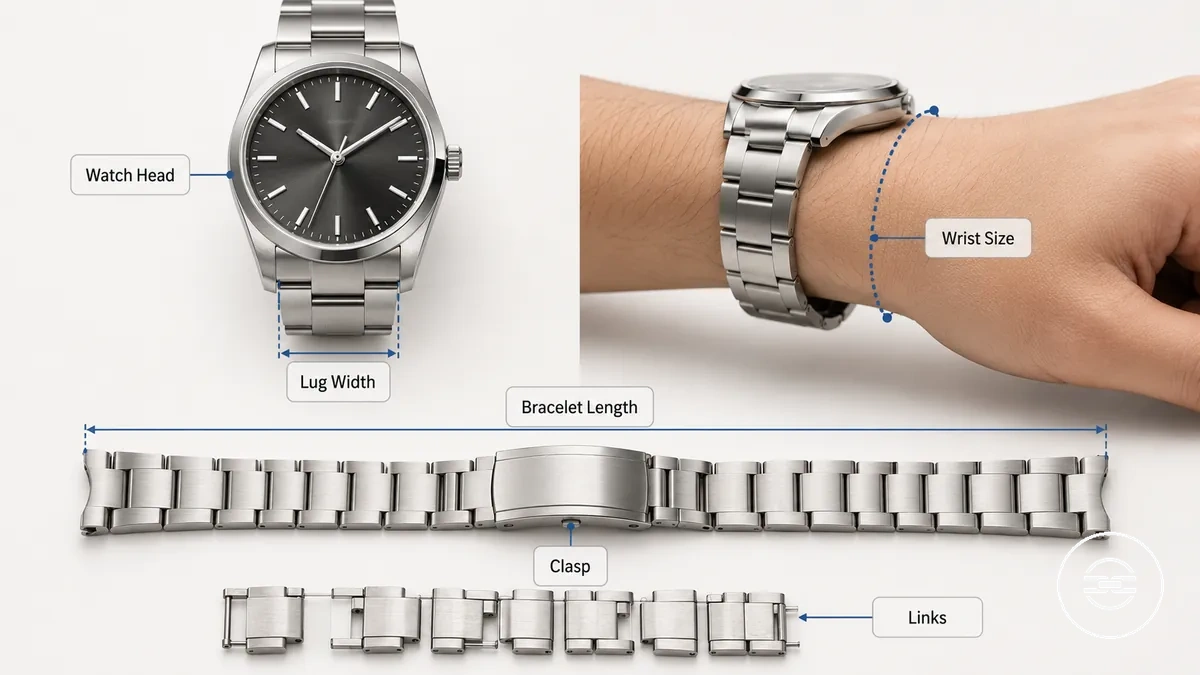
Metal watch band size is determined by lug width, usable bracelet length, and wrist circumference. These measurements work together to influence the fit outcome because the watch case, bracelet, and wrist form one connected sizing system. A change in one measurement can affect how the completed bracelet fits even when the others remain the same.
Lug width identifies the connection point between the watch case and a replacement band, while bracelet length relates to the wearable length around the wrist. Wrist circumference provides the reference for overall fit, and watch head size, clasp adjustment, and removable links can further influence the final result. The diagram for Measurements That Determine Metal Watch Band Size clarifies how the case, bracelet, and wrist measurements connect. Metal watch band size describes the measurement system rather than full compatibility because case design and other fit factors may also affect the outcome.
| Measurement | What it belongs to | What it controls | Fit risk if wrong |
|---|---|---|---|
| Lug width | Watch case | Replacement band connection | The band may not align with the watch case |
| Bracelet length | Bracelet | Overall wearable length | The bracelet may feel too loose or too tight |
| Wrist circumference | Wrist | Reference for final band size | Comfort allowance may be unsuitable |
| Watch head size | Watch case | How the watch occupies space on the wrist | The perceived wrist fit may differ |
| Clasp adjustment | Clasp | Fine adjustment of bracelet fit | The available fit allowance may be limited |
| Removable links | Bracelet | Bracelet length adjustment | The bracelet may require further resizing |
Lug width and case fit
Lug width is the inside distance between the watch lugs where the band attaches to the watch case. This millimetre value defines the band-end width needed for case fit at the spring bar area. The band-end width should match the measured case gap so the attachment aligns correctly.
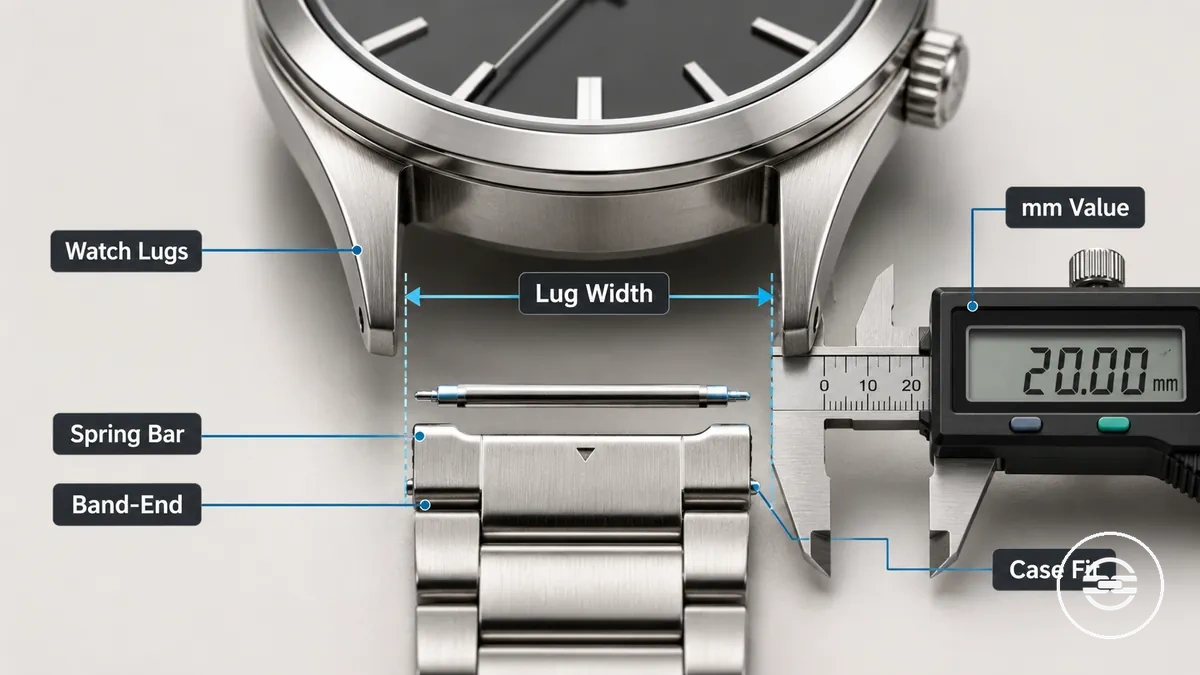
Lug width and case fit are easier to compare when the measurement point, matching width, and wrong-width effects are separated:
- Measurement point: The inside gap between the watch lugs at the spring bar area provides the lug width millimetre value.
- Matching width: The band-end width should correspond to the measured lug width for the intended case attachment.
- Wrong-width effect: A band that is too narrow may allow lateral movement, while one that is too wide may create pressure if the width exceeds the measured gap.
Band length and bracelet length
Band length is the wearable bracelet length after the watch head and clasp are considered. Unlike lug width, which defines case attachment, bracelet length describes how the bracelet halves, clasp length, and total wearable length combine around the wrist. A bracelet with the correct width may still feel unsuitable if its wearable length does not correspond to the wrist.
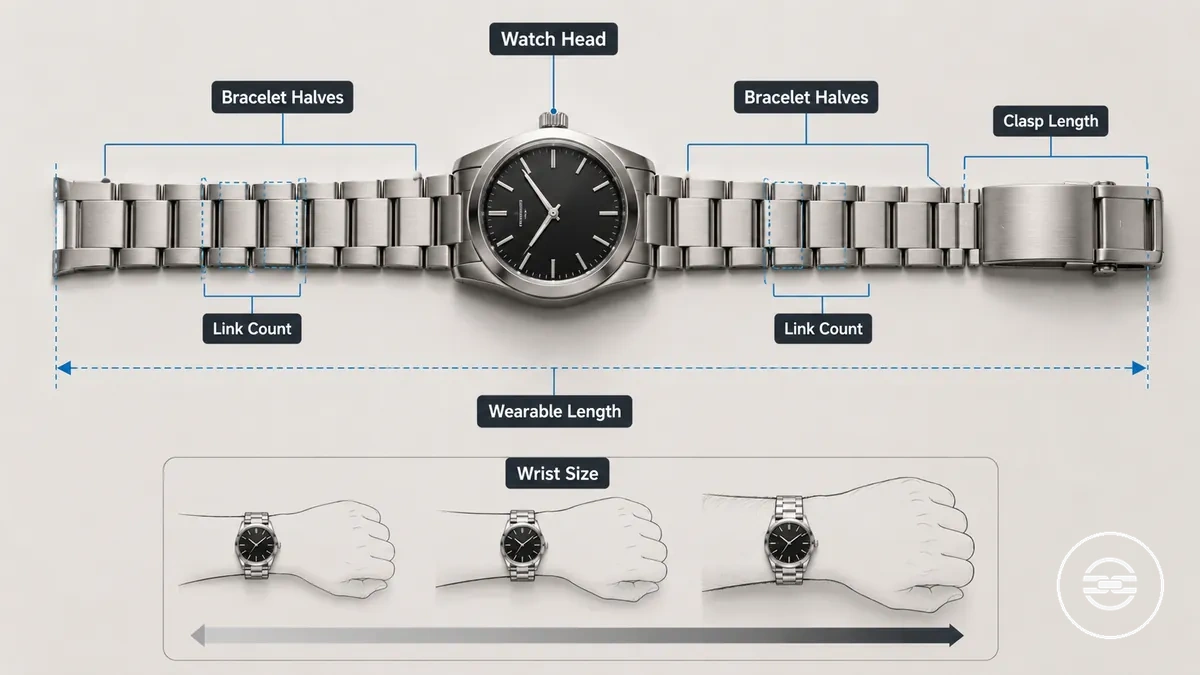
Bracelet halves, clasp length, and link count all contribute to the total wearable length. For smaller wrists or larger wrists, the resulting wearable length may vary because removable links, clasp design, and wrist shape can influence how the bracelet fits, so it should be treated as a sizing estimate.
Measurement note: Split length refers to the bracelet halves on each side of the clasp, while link count contributes to the total wearable length rather than representing a standalone size measurement.
Wrist circumference and fit allowance
Wrist circumference is the body-side measurement used to determine fit allowance for comfortable wear. Measure the recorded circumference by placing a measuring tape around the part of the wrist where the watch is normally worn, then use that value to estimate comfort allowance rather than lug compatibility. Wrist circumference defines the user-side sizing measurement, while lug width serves a separate purpose for case attachment.
A quick check can help keep the measurement consistent before applying a fit allowance:
- Position the measuring tape where the watch normally sits on the wrist.
- Record the wrist circumference with the tape comfortably snug rather than tightly pulled.
- Allow for daily movement and choose a slack allowance that reflects a tight preference or loose preference, as comfort can vary with wrist shape and band style.
Tools and Measuring Conditions for Accurate Sizing
Accurate sizing depends on stable tools and straight measuring conditions. Angled tools, rounded readings, or uneven surfaces can change the final millimetre result, so each reading should be checked before it is used for sizing accuracy.
A millimetre ruler, calipers, or a flexible tape can all work when they are clear and used correctly. Keep the watch in a flat position, take a straight-on reading, and avoid measuring across a curved surface where possible. Ordinary accurate tools are sufficient; no specific brand or specialist equipment is necessary.
Use this checklist before recording the final measurement:
- Select a millimetre ruler, calipers, or flexible tape with clearly readable markings.
- Place the watch or measured part in a stable, flat position.
- Read the scale straight on rather than from an angle.
- Record the result in millimetres without rounding too aggressively.
- Repeat the measurement and compare both readings before continuing.
How to Measure Lug Width
Measure lug width between the inner faces of the lugs where the band attaches to the watch case. Use careful tool placement across the inside-lug distance, take a straight millimetre reading, and record the measured width in millimetres.
- Place a millimetre ruler or calipers between the inner faces of the lugs.
- Read the inside-lug distance straight on rather than across the outer edges of the case lugs.
- Record the millimetre reading without applying the rounding rules yet.
- Measure lug width a second time because a repeated reading can reveal tool-placement error.
- Compare the confirmed measured width with the replacement band width.
Note: If the old band is missing or the reading falls between sizes, recheck the lug gap before making a qualified choice. Apply rounding rules only after confirming the second measurement.
How to Measure Wrist Size for a Metal Watch Band
Wrist size is measured where the watch normally sits by wrapping a flexible tape around the wrist. Keep the tape snug-but-not-tight, record the value in centimetres or millimetres, and use the recorded value to support bracelet length selection for a metal watch band.
- Wrap the flexible tape around the wrist where the watch normally sits.
- Hold the tape snug-but-not-tight without pressing it firmly against the skin.
- Read and record the wrist size in centimetres or millimetres.
- Check wrist movement and allow for possible swelling variation during the day.
- Note the preferred comfort fit before comparing the recorded value with bracelet length options.
Note: If an existing band feels comfortable, its measured length may differ from the bare wrist measurement because the band already includes fit allowance. Record the bare wrist size first, then use that difference only as a qualified guide.
How to Calculate Metal Watch Band Length
Calculate band length by subtracting the watch head span from wrist size, then adding a suitable comfort allowance. The result is a length estimate because band construction and the available micro-adjustment range can change the final fit.
Bracelet length is the wearable length of the band and is not the same as wrist circumference. Clasp length, removable links, and comfort allowance affect the usable result, so apply them as adjustment variables in the formula.
Formula: Bracelet length estimate = wrist size − case span + comfort allowance, adjusted for clasp length, removable links, and the available micro-adjustment range.
Example: This example illustrates the calculation using neutral values. If wrist size is 170 mm, watch head size creates a 45 mm case span, and the selected comfort allowance is 10 mm, the bracelet length estimate is 135 mm; recheck the result against the band construction and adjustment range.
Wrist size minus watch head size
Wrist size minus watch head size estimates the remaining bracelet length because the watch head span occupies part of the wrist circumference. Subtract the watch head span from the wrist size to estimate the remaining bracelet length, then recognise that a larger case leaves less wearable space while a smaller case leaves more. The comfort result can still vary because case shape and bracelet construction may change how the watch sits on the wrist.
Example: Wrist size 170 mm − watch head span 45 mm = 125 mm remaining bracelet length before any further fit adjustment.
Existing band length and split-length markings
Existing band length and split-length markings show how an old bracelet is divided into its long-side length and short-side length, which can support a replacement length estimate. Clasp position, removable links, and mesh adjustability indicate how that recorded length may have been balanced or adjusted, but the result should still be checked against wrist measurement because an old band may be stretched, altered, or marked differently.
| Marking or part | What it tells you |
|---|---|
| Long-side length | Shows the longer bracelet half and helps confirm wearable balance. |
| Short-side length | Shows the shorter bracelet half and helps assess clasp position. |
| Removable links | Indicate whether the old band length was shortened and how that condition may affect the replacement length estimate. |
| Mesh adjustability | Shows whether clasp position can alter wearable length without removing links. |
How to Read Common Metal Watch Band Widths
Common metal watch band widths must match the lug width of the watch rather than the wearer's preference. Labels such as 18mm, 20mm, and 22mm identify the band's millimetre width where it fits between the lugs, so replacement band labelling should always be checked against the measured case fit. If a reading falls close to a labelled size, recheck it because measurement tolerance can influence the final choice.
A common myth is that close widths such as 20mm and 22mm are interchangeable because they differ by only a small amount. In reality, each labelled size is intended to match its corresponding lug width, and selecting a nearby size may increase fit risk. The table below summarises how to interpret common width labels safely.
| Labelled width | What it should match | Common mistake | Safe check |
|---|---|---|---|
| 18mm | Measured 18mm lug width | Choosing a nearby labelled size | Match the band width to the measured lug width |
| 20mm | Measured 20mm lug width | Treating 20mm and 22mm as close widths | Recheck the measurement if it is near another label |
| 22mm | Measured 22mm lug width | Assuming a wider band will still fit | Confirm the labelled size against the measured case fit |
| Between-size reading | Nearest verified lug measurement | Estimating instead of measuring again | Repeat the measurement to reduce tolerance-related fit risk |
18mm, 20mm, and 22mm lug widths
18mm, 20mm, and 22mm lug widths are physical width values that identify the distance at the lug connection where the band meets the case. Each measured width should match the case connection, and choosing a nearest-looking alternative may increase fit risk if the measured lug gap differs.
| Lug width | What it means | What must match | Main risk |
|---|---|---|---|
| 18mm | 18mm physical width at the lug connection | 18mm measured case connection | Selecting a nearest-looking alternative instead of the measured value |
| 20mm | 20mm physical width at the lug connection | 20mm measured case connection | Substituting 22mm or another width without rechecking the lug gap |
| 22mm | 22mm physical width at the lug connection | 22mm measured case connection | Choosing another band label because the widths appear similar |
When close width sizes do not fit correctly
Close width sizes may not fit correctly because the lug gap and band-end width must physically align for proper spring bar seating. A small width mismatch can increase lateral movement or create end-piece pressure, and a forced fit may affect attachment security when the band-end width does not match the case. If the fit feels resistant or misaligned, recheck the measured width instead of forcing installation.
- Too narrow: The band-end width leaves extra space within the lug gap, which can allow lateral movement and may reduce attachment security.
- Too wide: The band-end width presses against the lugs, which may increase end-piece pressure and interfere with spring bar seating.
- Forced fit: Trying to fit a close width into an incorrect lug gap can increase pressure at the case connection and may create unnecessary fit risk.
For width-independent checks, see the metal watch band compatibility guide.
How a Metal Watch Band Should Fit
A metal watch band fit should feel secure without pinching or sliding excessively after the width and length are measured. A correctly sized band balances comfort, wrist movement, and security together, although the final comfort fit may vary with wrist shape and wearer preference.
During normal daily wrist movement, the band should move naturally without feeling restrictive or shifting excessively around the wrist. Comfortable finger clearance and balanced movement can indicate a secure fit, but the preferred fit allowance may differ by wearer preference.
If sliding, pinching, or an uneven clasp position becomes noticeable, the fit may need correction. A removable-link adjustment may improve bracelet fit when only a small change is needed, while persistent discomfort can indicate that you should recheck measurements or choose a different length.
Evaluate metal watch band fit by considering finger clearance, wrist movement, clasp position, and comfort together rather than relying on a single criterion. For broader fit guidance, see metal watch bands for wrist fit.
- Moves securely during normal wrist movement.
- Does not cause noticeable pinching.
- Shows only limited sliding during regular wear.
- Keeps the clasp position balanced beneath the wrist.
A correctly sized metal watch band is the one that provides a secure fit while matching your comfort needs and wearer preference. If removable-link adjustment does not improve the fit, recheck measurements or consider a different length based on the way the bracelet sits on your wrist.
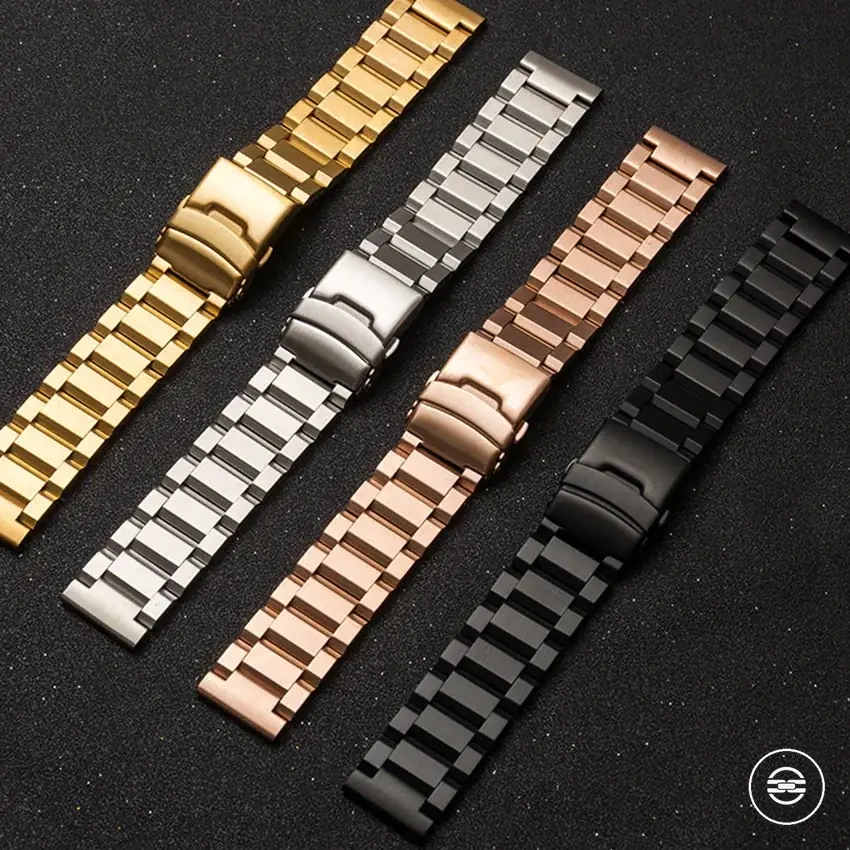
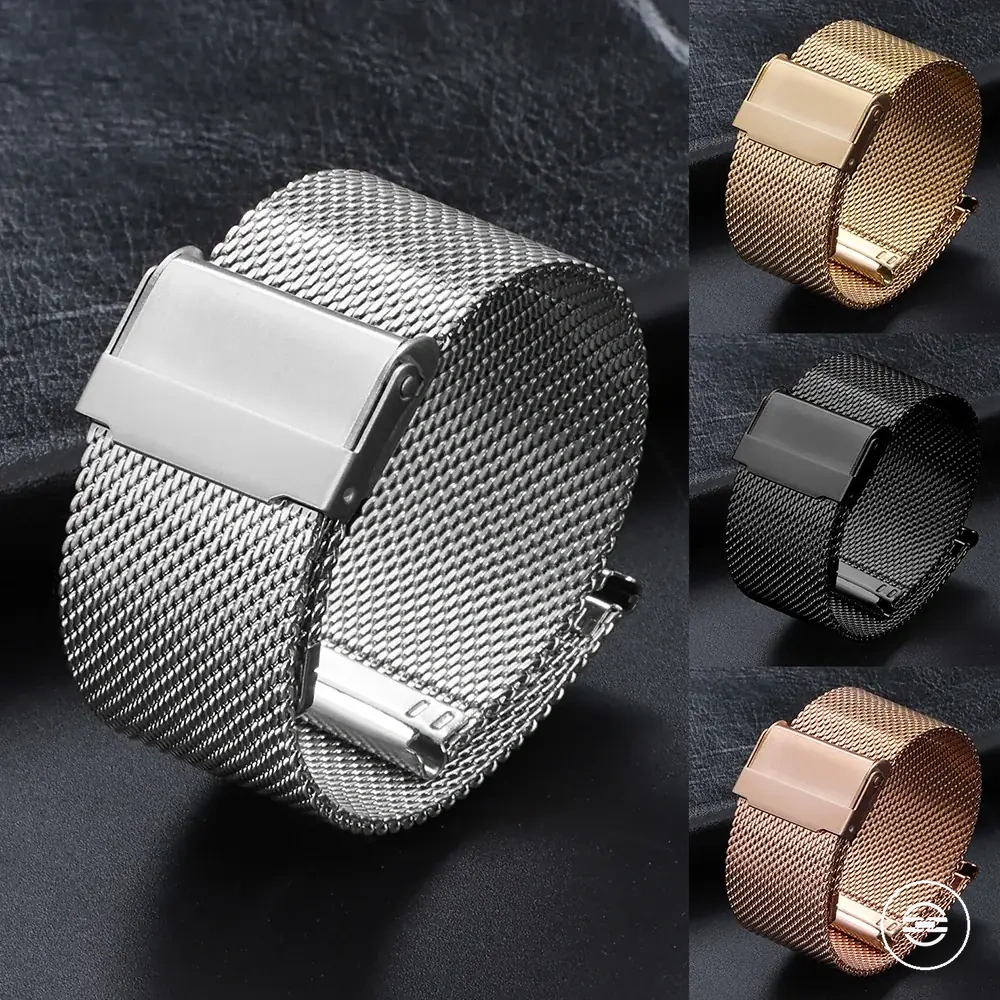
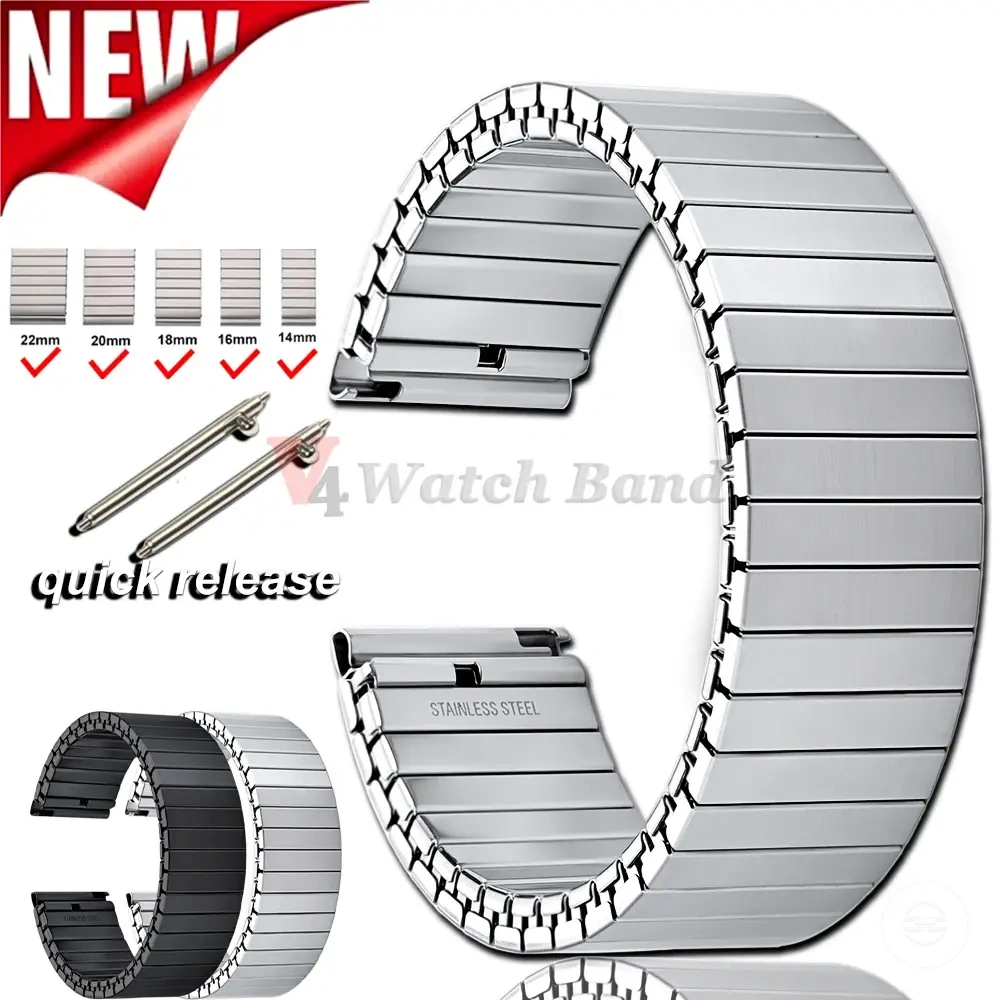
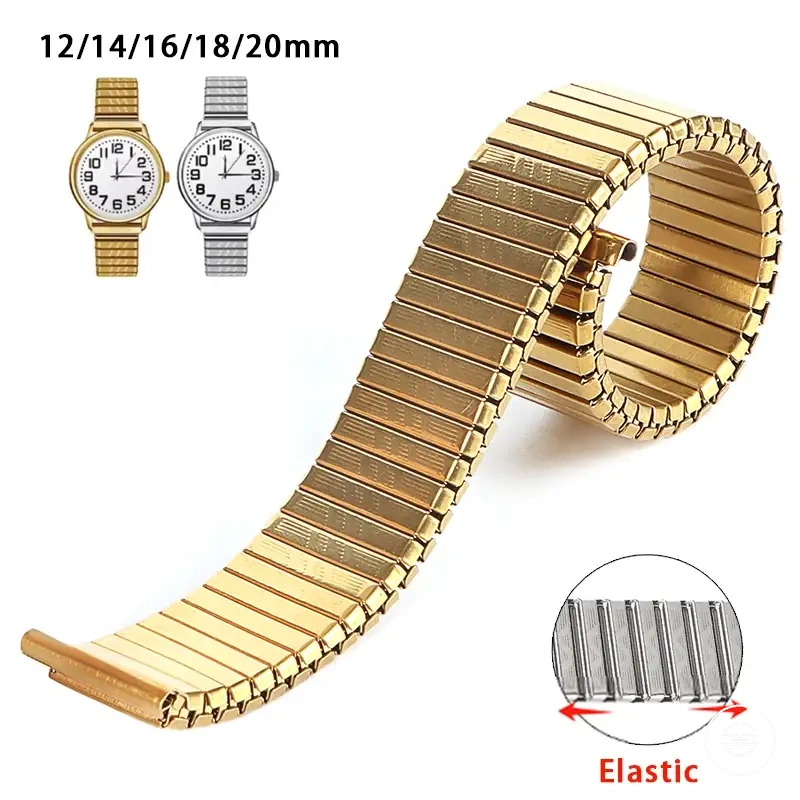
Here are product examples that may make comparison easier. Before buying, always review the compatibility criteria, essential features, and product details.
Finger clearance and wrist movement
Finger clearance and wrist movement are comfort checks used to judge whether a metal watch band remains comfortable during normal wear. An approximate one-finger clearance, comfortable wrist rotation, manageable clasp pressure, and awareness of daily tightness changes can help indicate a preferred fit without treating any single check as an absolute rule. This guidance is approximate because wrist shape and bracelet style can influence what feels comfortable and secure.
Too tight, too loose, and sliding fit signals
Too tight, too loose, and sliding fit signals usually point to length, link count, clasp position, or sizing assumptions rather than one exact cause. An oversized band, pinching, or movement across the wrist can each indicate different likely attribute issues, so compare the symptoms before deciding on the next step. Use the table below to identify the most likely condition.
| Symptom | Likely attribute issue | Check | What it means |
|---|---|---|---|
| Too tight | Limited length or adjustment range | Check for pinching and available removable links | May indicate that additional length is needed if the current adjustment range is insufficient. |
| Too loose | Oversized band or excess link count | Observe whether the bracelet shifts more than expected | May suggest remeasureing the fit or reducing length where appropriate. |
| Sliding over the wrist bone | Loose sizing or length issue | Check whether the band repeatedly passes over the wrist bone during normal wear | Can indicate that the current length range may be larger than preferred. |
| Clasp imbalance | Uneven link distribution or clasp position | Check whether the clasp remains centred beneath the wrist | May indicate that bracelet balance should be reviewed before changing the overall length. |
Adjust links only when the fit signal is consistent and removable links or micro-adjustment availability support the required change. If the same symptoms remain after you remeasure, consider a different length range rather than assuming one adjustment will resolve every issue. For the next step, see adjust a metal watch band.
Common Metal Watch Band Sizing Mistakes
Most sizing mistakes come from measuring the wrong point or treating close values as interchangeable. These errors can lead to the wrong width, the wrong length, or a poor replacement fit, so use the checklist below to verify each measurement before comparing replacement options.
- Mistake: Measuring outside the lugs. Correction: Measure the internal distance between the lugs because the outer case edges do not represent lug width.
- Mistake: Confusing case size with lug width. Correction: Treat case size as separate from lug width because they describe different dimensions.
- Mistake: Ignoring watch head size. Correction: Consider the watch head size when evaluating whether the selected band length is likely to provide a balanced fit.
- Mistake: Rounding to a nearby width. Correction: Use the measured lug width instead of assuming a nearby width will fit, as rounding can increase fit risk.
- Mistake: Trusting old band length alone. Correction: Use the old band length as a reference, then confirm the current wrist measurement and fit allowance.
- Mistake: Skipping wrist-fit checks. Correction: Confirm that the planned length allows the preferred wrist fit before finalising your choice.
Before comparing replacement options, verify lug width, band length, and fit allowance together because each affects the likelihood of a suitable replacement fit. After completing this final verification, use the metal watch band buying checklist for the next stage of comparison.