
Metal Watch Band Clasp Types Compared
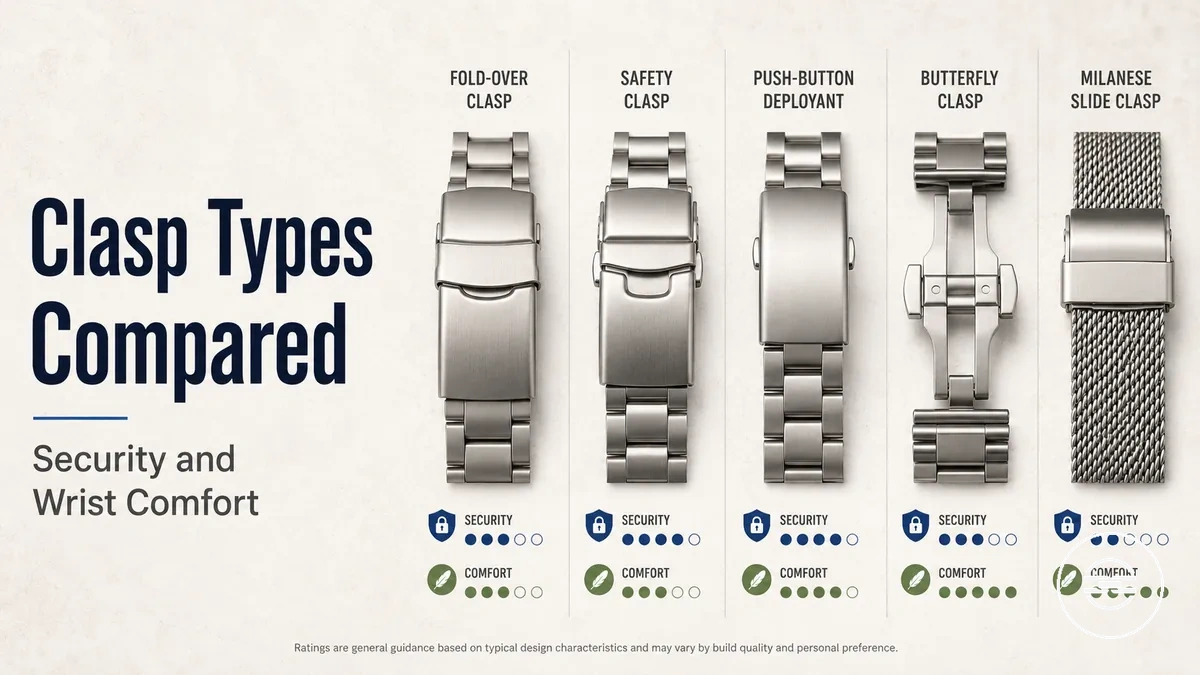
A metal watch band clasp should be chosen by comparing security, comfort, wrist fit, and intended use. Different clasp types use different locking actions, so resistance to accidental opening can vary with the clasp mechanism and bracelet design. A lower-profile closure system may reduce pressure points, while a safety clasp with an additional lock may provide extra security at the cost of added bulk. The most suitable option depends on how and where the bracelet will be worn.
For daily wear, comfort and easy operation are often balanced with dependable security. During active use, a clasp with additional locking features may be preferred, while dress wear may benefit from a slimmer profile beneath the wrist. Deployment clasp, fold-over clasp, push-button clasp, and double-lock clasp designs each offer different trade-offs in operation, profile, and locking action. Understanding how each clasp mechanism works makes those differences easier to compare.
Metal watch band clasp types are the closure systems that secure and release a bracelet on the wrist. This comparison focuses on how clasp types differ in function, security, comfort, and use case before moving into detailed mechanism-specific comparisons.
What a Metal Watch Band Clasp Controls
A metal watch band clasp is the closure mechanism that closes, releases, secures, and stabilises a bracelet on the wrist. It controls how the bracelet stays fastened during wear and how it opens when intentionally released. Its basic job is to provide a controlled and secure closure for the bracelet.
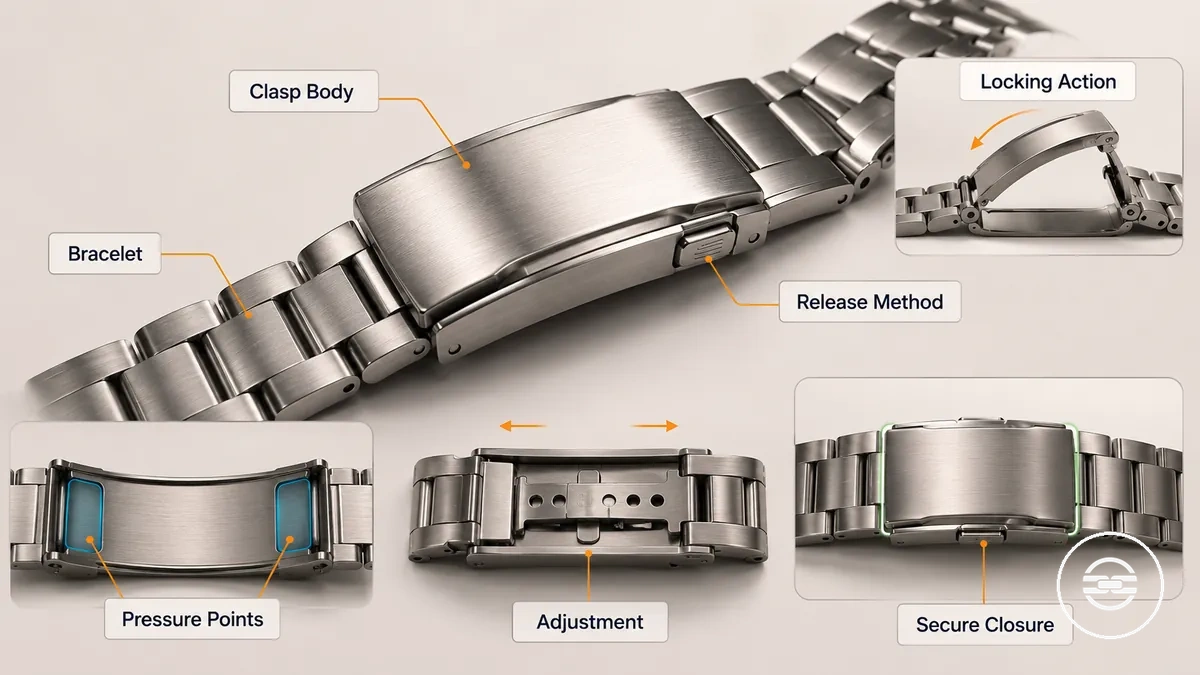
What a Metal Watch Band Clasp Controls can be understood by looking at the functions of its main components. The clasp body contains the locking action and release method, while its contact with the underside of the wrist can influence pressure points and comfort depending on bracelet construction and wrist fit. Adjustment tolerance may also affect closure stability because bracelet sizing can change how securely the clasp engages. For a broader explanation of surrounding components, see metal watch band parts. This section explains clasp function rather than clasp repair.
A common myth is that a clasp alone determines the overall fit or security of a bracelet. In practice, comfort and security also depend on bracelet construction, wrist fit, and the design of the clasp mechanism working together. The next section explains how different clasp mechanisms achieve these functions.
Main Metal Watch Band Clasp Mechanisms
Clasp mechanism families are the main attributes used to compare how a bracelet opens, closes, and remains secured during wear. Different mechanisms combine a release method, locking style, and clasp profile in different ways, so usability, security, and fit effect may vary with bracelet construction and wrist fit. For a broader overview of bracelet styles, see metal watch bands. Understanding these mechanism families provides the context for later security and comfort comparisons.
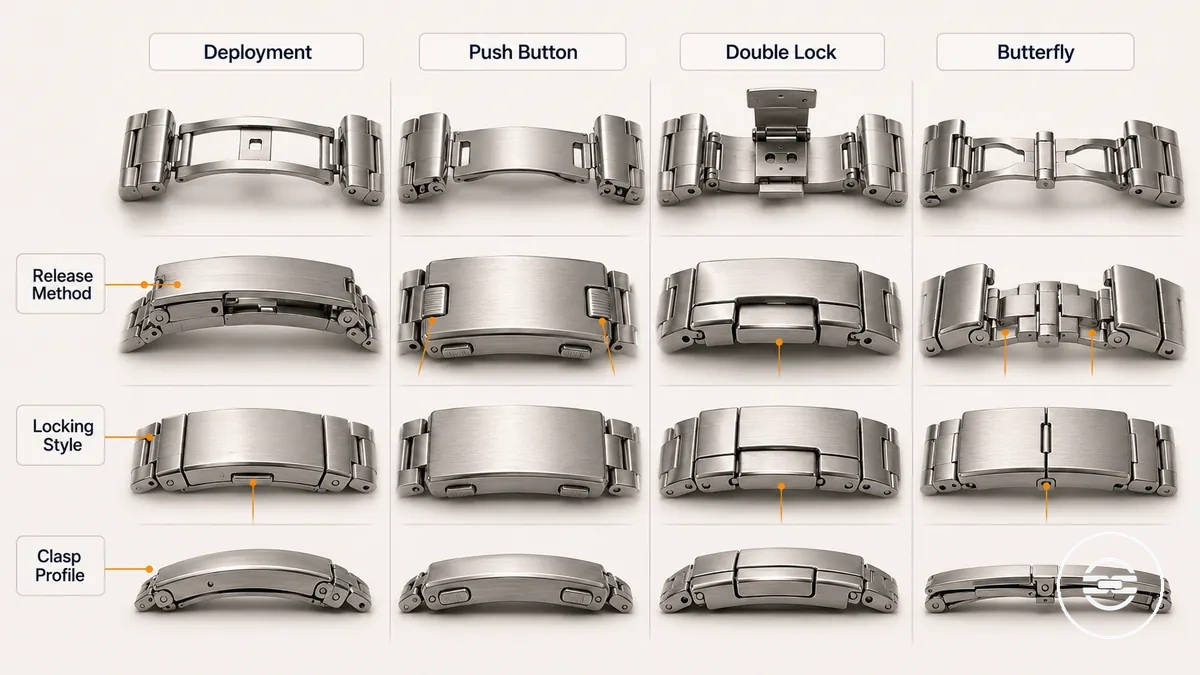
Each clasp mechanism can be compared using the same criteria: release method, locking style, typical profile, and likely fit effect. These attributes help distinguish mechanism families without suggesting that one design is universally better because performance depends on bracelet construction and intended use. The table below summarises the main comparison criteria.
| Clasp mechanism | Release method | Locking style | Typical profile | Main trade-off |
|---|---|---|---|---|
| Deployment clasp | Folding release | Hinged closure | Medium profile | Balanced usability with profile depending on construction |
| Folding clasp | Fold-over release | Single folding lock | Low to medium profile | Simple operation with fit effect depending on bracelet design |
| Push-button clasp | Push buttons | Button-assisted lock | Medium profile | Easier opening with release resistance depending on the mechanism |
| Double-lock clasp | Push button or fold-over release | Primary lock with safety lock | Higher profile | Added security may increase clasp thickness |
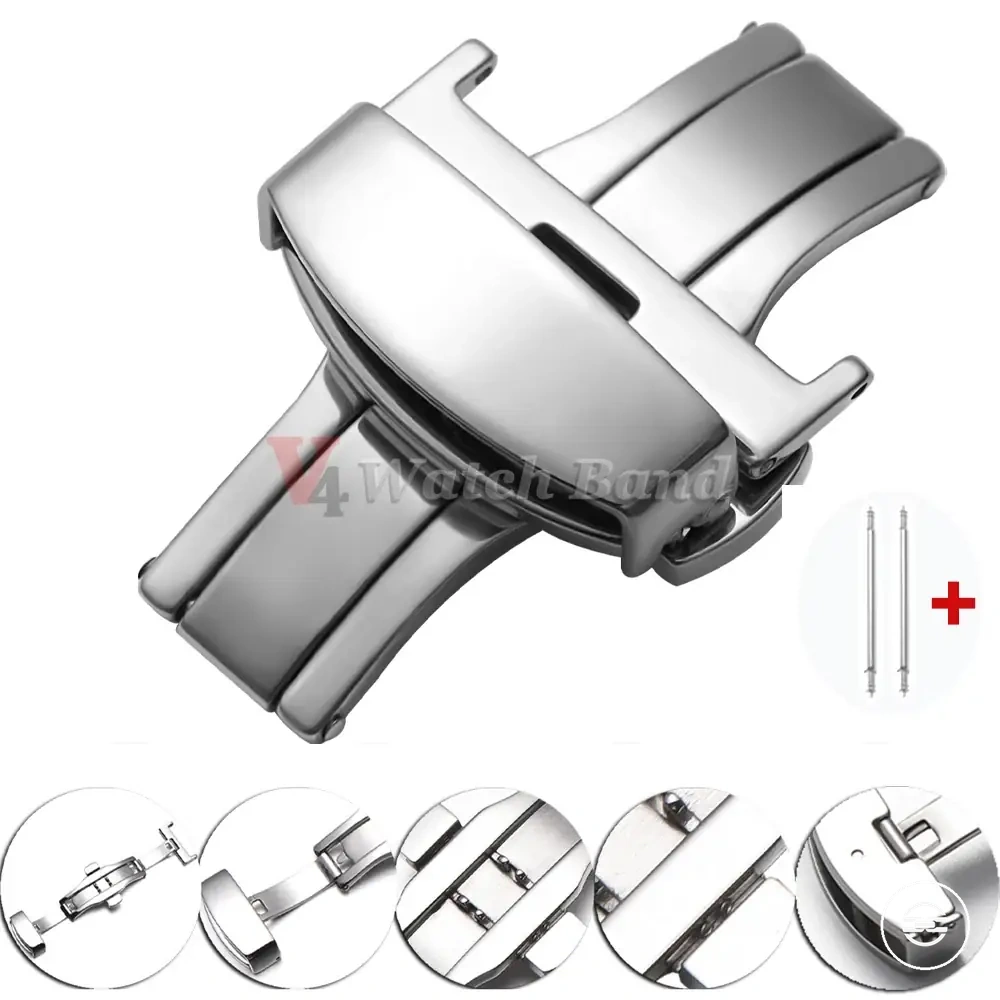
| Butterfly clasp | Central release | Dual folding hinges | Slim profile | Cleaner appearance with fit effect depending on bracelet sizing |
For everyday wear, the preferred clasp mechanism often depends on the balance between release convenience, clasp profile, and locking style. Additional locking features may improve security for active use, while slimmer designs may feel more comfortable when bracelet sizing and wrist fit are appropriate.
A common misconception is that uncommon clasp designs are inherently better than standard mechanism families. In practice, deployment clasp, folding clasp, push-button clasp, double-lock clasp, and butterfly clasp designs cover the main comparison categories, while less common variants usually fit within these same mechanism families.
Deployment and Folding Clasps
A deployment clasp is a folding closure that opens on a hinge while helping the bracelet retain its shape when removed from the wrist. A folding clasp also uses a hinge and defined fold direction to open and close the bracelet, although the release action and clasp profile may differ by design. Deployment and Folding Clasps are identified by how the hinge folds and returns the bracelet to its closed position.
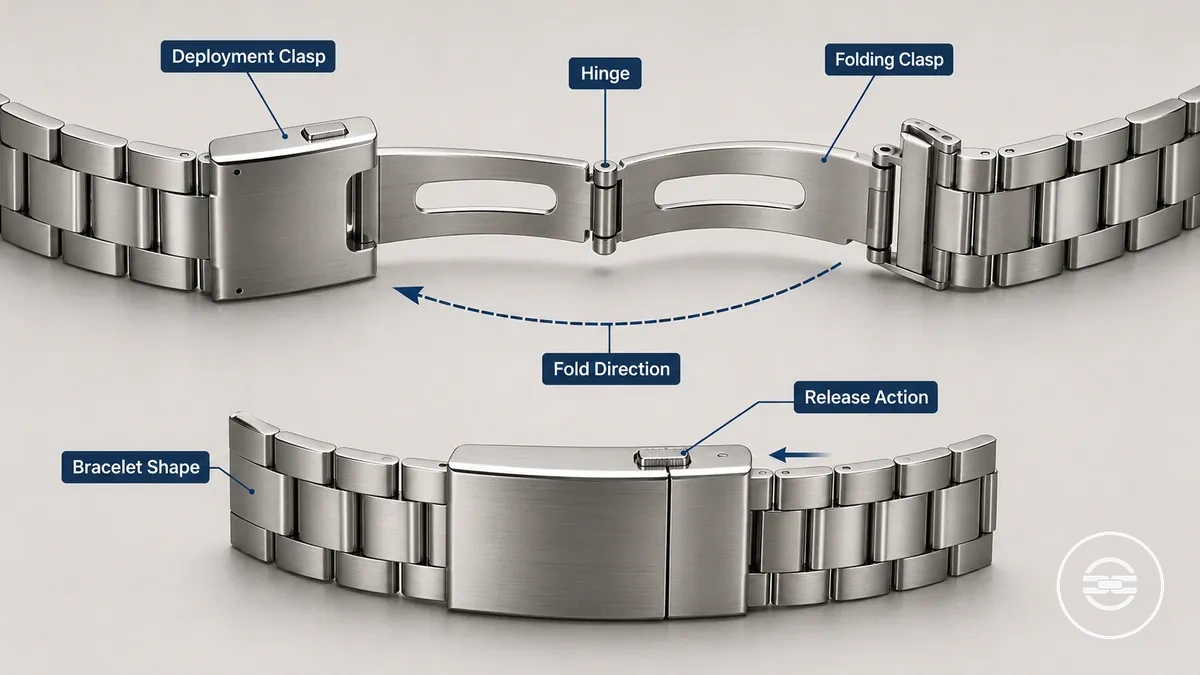
A common misconception is that deployment clasp and folding clasp are completely separate standardized terms. In practice, seller wording may use deployant clasp or fold-over mechanism for closely related folding closure designs, so the terminology can overlap even though hinge behavior, fold direction, clasp profile, bracelet shape retention, and release action remain the practical points of distinction.
Push-Button and Double-Pusher Clasps
A push-button clasp is a button-release clasp that opens when its release button is pressed. A double-pusher clasp uses two opposing buttons so the release action requires both pushers to be activated together. Button placement determines how the clasp is opened, while release resistance depends on spring tension and overall clasp construction.
During everyday use, button placement can affect ease of opening because the release action varies with the clasp design. A double-pusher clasp may offer greater resistance to accidental release than a single push-button clasp when spring tension and clasp construction support that design, but the outcome depends on the mechanism rather than the buttons alone.
Double-Lock and Safety Fold-Over Clasps
A double-lock clasp adds a secondary lock to the primary bracelet closure, while a safety fold-over clasp uses a safety flap that folds over the main latch after it is closed. The extra securing action is a defined part of the clasp design, but release resistance can vary with latch engagement and overall construction.
| Security gain | Comfort trade-off |
|---|---|
| A secondary lock or safety flap may increase release resistance when latch engagement is complete. | Added thickness can create more wrist pressure for some wearers, depending on bracelet fit and clasp design. |
During active use, a double-lock clasp or safety fold-over clasp may be useful when an additional securing action is preferred. The extra lock can add bulk because of the safety flap and latch components, so the balance between release resistance and comfort depends on the clasp design and bracelet fit.
Butterfly and Double-Deployant Clasps
A butterfly clasp is a low-profile clasp that closes through symmetrical folding from two sides, while a double-deployant clasp uses a similar two-sided folding action to form a hidden clasp when fastened. Release access may come from the folding arms or release buttons, and listings may use butterfly clasp and double-deployant clasp for closely related designs.
When a bracelet follows the wrist curvature closely, the concealed mechanism can maintain a low profile, but fit sensitivity still depends on bracelet sizing and wrist shape. On narrow wrists or strongly curved bracelets, the folding sections may align differently, which can affect release access and how the clasp sits against the wrist.
Security Differences Between Clasp Types
Clasp security depends on lock design, release method, and how the watch is used rather than on clasp type alone. Lock count, release resistance, and the presence of a safety flap can all influence the likelihood of accidental opening under different use conditions.
During casual wear, many clasp designs provide a secure closure when properly fastened. During active use, a double-lock clasp or another design with a secondary safety lock may offer greater locking confidence because an additional release action is required. Even so, security also depends on correct engagement, bracelet fit, and activity level.
The comparison below focuses on locking mechanisms and typical use conditions instead of identifying a single best option. It summarizes how clasp families differ in release method, accidental-release risk, and practical trade-offs.
| Clasp type | Security attribute | Accidental-release risk | Best use context | Trade-off |
|---|---|---|---|---|
| Pin buckle | Single lock with buckle pin | Depends on proper fastening | Casual wear | Simple operation |
| Deployment or folding clasp | Single folding lock with mechanical closure | Usually lower when fully engaged | Everyday wear | Additional moving parts |
| Push-button clasp | Button-operated release method | Varies with release resistance and mechanism design | Frequent daily use | More complex release system |
| Double-lock or safety fold-over clasp | Higher lock count with safety flap | May be lower during active use when both locks are engaged | Active use | Extra release step and added bulk |
| Butterfly or double-deployant clasp | Two-sided folding with concealed closure | Depends on bracelet fit and complete closure | Daily wear with a low-profile clasp | Greater fit sensitivity |
A higher lock count does not make a clasp the best choice for every wearer. The table compares likely retention under typical conditions, while actual clasp security depends on the release method, fit, and how the watch is worn during casual wear or active use.
Comfort Differences on the Wrist
Wrist comfort depends on clasp profile, edge shape, bracelet fit, and wear time rather than on clasp type alone. Clasp profile, underside smoothness, skin contact, and wrist curvature all influence how a bracelet feels during daily wear, while bracelet taper and micro-adjustment can change pressure distribution.
During desk work, a thicker clasp may create more noticeable pressure points where the wrist rests against a surface. On small wrists, a wider clasp profile or limited bracelet taper may affect balance and fit. During long wear periods, micro-adjustment can improve wearing comfort when small fit changes reduce uneven skin contact.
The checklist below highlights the main comfort factors to compare across clasp designs. These features work together, so no single characteristic determines wrist comfort for every wearer.
- Clasp profile: A low-profile clasp may feel less noticeable when it follows wrist curvature.
- Edge feel: Smoother edge transitions may reduce localized pressure points.
- Underside contact: Greater underside smoothness can improve skin contact during extended wear.
- Adjustment room: Micro-adjustment may help maintain fit comfort as wrist size changes throughout the day.
- Wrist-position pressure: Bracelet taper and clasp placement can influence comfort during desk work and long wear.
A thinner clasp is not automatically more comfortable for every wrist. Wearing comfort depends on the combined effect of clasp profile, bracelet taper, wrist curvature, fit, and daily use conditions rather than on a single design feature.
Deployment Clasp vs Fold-Over Clasp
A deployment clasp usually refers to the folding hinge behavior that keeps the bracelet connected as it opens, while a fold-over clasp describes a closure design with an outer section that folds into place. The practical distinction varies because many clasps combine both features and seller naming is not fully consistent.
A deployant clasp emphasizes the hinged folding mechanism, whereas a fold-over clasp emphasizes the outer locking section, which may include a safety flap. Push buttons, bracelet shape, and release action can differ between products, creating terminology overlap. As a result, similar clasp constructions may appear under different labels.
When comparing listings, focus on the actual closure design and release action rather than the label alone. The table below separates the typical differences in security feel and naming.
| Label | Typical closure design | Release action | Security feel | Naming caution |
|---|---|---|---|---|
| Deployment clasp | Hinged folding mechanism that follows the bracelet shape | Folding release, sometimes controlled by push buttons | May provide a secure feel when the mechanism is fully engaged | May also be called a deployant clasp or deployment buckle |
| Fold-over clasp | Outer section that folds over the closure, sometimes with a safety flap | Lift or release the fold-over section, with or without push buttons | May add locking confidence when a safety flap is included | May also be described as a deployment clasp in product listings |
The two labels are not always mutually exclusive. A hybrid clasp may be both deployant and fold-over when its hinge behavior is combined with a fold-over safety section, so the actual mechanism provides more useful guidance than the seller label alone.
Choosing a Clasp Type by Watch Use
Choosing a clasp type depends on watch use rather than on a single mechanism being suitable for everyone. Matching clasp behavior to the intended wearing context helps balance daily convenience, secure retention, comfort, and the trade-off each mechanism introduces.
For daily wear, many users value a clasp that combines easy release with dependable closure. During active use, a double-lock clasp or another mechanism designed for secure retention may be preferable when additional locking confidence is needed. A dress watch often pairs well with a low-profile butterfly clasp, while users who prioritize secure retention may accept a slower release action as a trade-off.
The table below connects common watch use scenarios with the clasp requirement they typically emphasize. It is intended as a decision aid that matches use cases with a suitable mechanism rather than ranking clasp types.
| Watch use | Clasp requirement | Suitable mechanism | Trade-off or caution |
|---|---|---|---|
| Daily wear | Comfort and easy release | Deployment or push-button folding clasp | Performance depends on proper closure and bracelet fit |
| Active use | Secure retention | Double-lock clasp or fold-over safety mechanism | Additional locking steps may reduce convenience |
| Dress watch | Low-profile appearance | Butterfly clasp | Comfort depends on wrist shape and bracelet sizing |
| Secure retention priority | Additional locking support | Mechanism with a safety lock or safety flap | Release action may take longer than simpler designs |
No clasp type is the right choice for every watch use because selection logic depends on activity level, fit need, comfort preferences, and acceptable trade-offs. If you also need help selecting the bracelet itself, choose a metal watch band before making a final clasp decision.
Daily Wear and Office Use
During daily wear and office use, a clasp is often more comfortable when frequent removal, easy release, and low snagging are prioritized over maximum retention. For example, someone who removes a watch before long typing sessions or meetings may value quick operation and smooth desk contact more than additional locking features.
- Cuff clearance: A lower-profile clasp may slide under shirt cuffs more easily, depending on bracelet thickness.
- Desk contact: A smoother clasp underside can reduce noticeable contact with a desk during routine wear.
- Easy release: Convenient opening may suit workday use when the watch is removed repeatedly.
- Wrist pressure: Pressure under the wrist usually depends on clasp profile, bracelet fit, and wrist position.
- Micro-adjustment: Small fit changes can improve everyday comfort if wrist size varies during the day.
Daily wear and office use generally benefit from clasp traits such as easy release, low snagging, cuff clearance, and micro-adjustment when they match the user's routine. The most suitable local choice depends on bracelet adjustment, wrist pressure, and workday habits rather than on a single clasp design.
Active Use and Water Exposure
During active use, movement, sweat, and water exposure can increase accidental-opening risk or make a clasp harder to operate with damp hands. The checklist below organises selection signals for release resistance, wet-hand usability, and secure retention under these conditions.
- Lock security: Double-locking may support secure retention when movement places more stress on the closure.
- Release access: Push-button security should resist unintended release while remaining practical to operate when needed.
- Wet handling: Wet-hand usability depends on button placement, grip, and overall clasp construction.
- Fit stability: A stable bracelet fit may reduce unwanted movement, although retention still depends on wrist shape and activity level.
- Post-use inspection: A brief check can help confirm that the clasp still closes securely after sweat or damp conditions.
For active use, useful selection signals may include double-locking, controlled push-button security, dependable release resistance, and practical wet-hand usability. Secure retention still depends on activity level, bracelet fit, and clasp construction, so clasp choice should not be treated as proof of waterproof protection or absolute safety.
Dress Watches and Low-Profile Bracelets
When dress watches use low-profile bracelets, the wearer may prioritise cuff comfort and a slim clasp profile. Clasp thickness, hidden appearance, bracelet taper, and wrist fit can affect how the bracelet sits beneath a shirt cuff. This section focuses on clasp profile rather than overall watch design.
A low-profile clasp is not automatically the most suitable option because secure closure still depends on bracelet taper, wrist shape, and clasp thickness. A butterfly closure can create a more hidden appearance on a slim bracelet, but its suitability depends on balancing fit sensitivity, cuff comfort, and the preferred level of closure security.
| Low-profile benefit | Possible trade-off |
|---|---|
| Reduced clasp thickness and a more concealed profile beneath a cuff | A slimmer clasp may not suit every wrist shape or bracelet taper, so fit and closure security should be considered together. |
Clasp Quality Checks Before Buying
Clasp quality is best assessed through buying checks that can be verified before purchase. Focus on observable inspection points that indicate whether the clasp is likely to provide secure closure and comfortable wear rather than relying on promotional claims.
Buying checks connect each clasp component to a quality attribute, an acceptable condition, and a possible decision outcome. The mini-checklist below organises the main inspection points used during a normal inspection or when reviewing listing photos. These checks help reduce uncertainty but cannot confirm long-term performance from appearance alone.
- Locking feel: A consistent locking action may indicate a more dependable closure, while uneven engagement can justify closer inspection.
- Visible alignment: Latch alignment and a properly seated safety flap may support secure closure when present.
- Button resistance: Release resistance should feel controlled rather than unusually loose or excessively stiff.
- Edge finish and thickness: Smooth edges and appropriate clasp thickness may reduce pressure points during regular wear.
- Listing-photo evidence: Listing photos can help assess visible construction, alignment, and finish, although appearance alone should not determine clasp quality.
When comparing product listings, review multiple images and close-up views before drawing conclusions about clasp quality. If important inspection points cannot be confirmed from listing photos or a normal inspection, the buying decision may require additional verification.
A polished appearance does not guarantee quality, and visible finishing alone cannot confirm reliable locking action. Clasp quality is better judged by combining observable inspection points instead of relying on isolated visual details.
The strongest buying checks consider locking action, release resistance, latch alignment, safety flap fit, clasp thickness, pressure points, and listing-photo evidence together before reaching a decision. Use these criteria first, then consider individual product options only as supporting examples.
The products below are useful examples for comparing available options. Before buying, check that the compatibility criteria, key features, and product details match your needs.
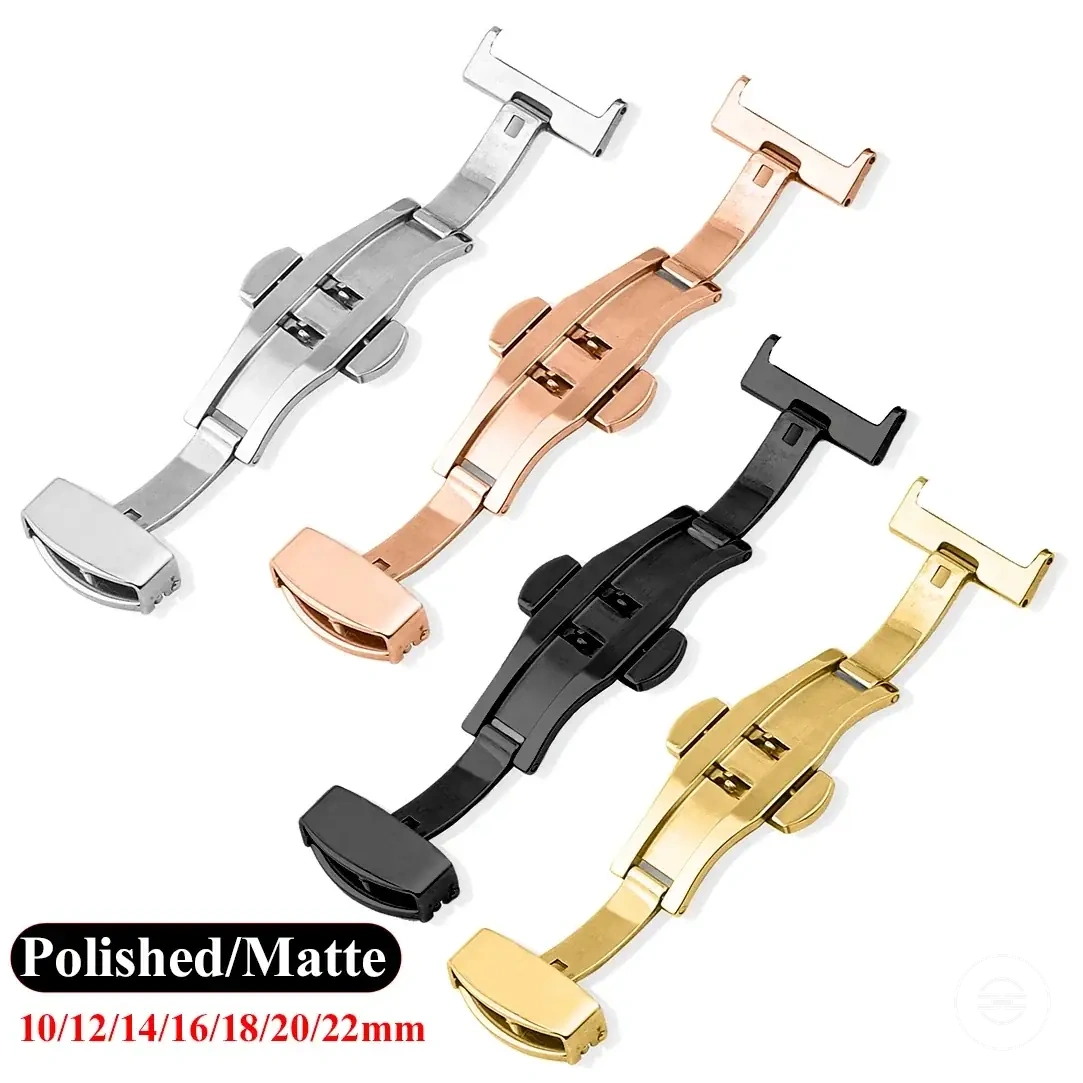
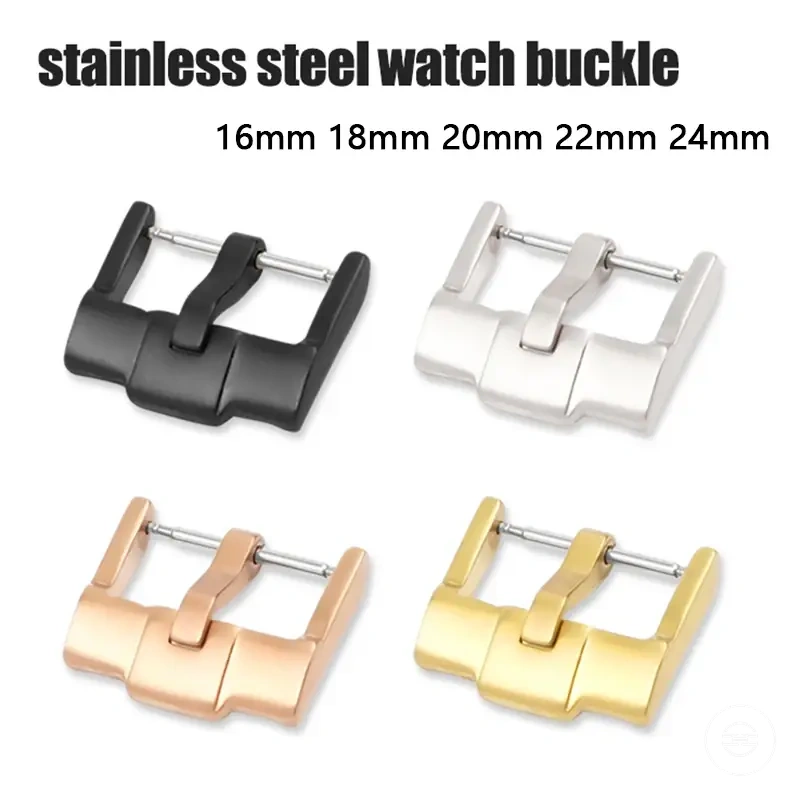
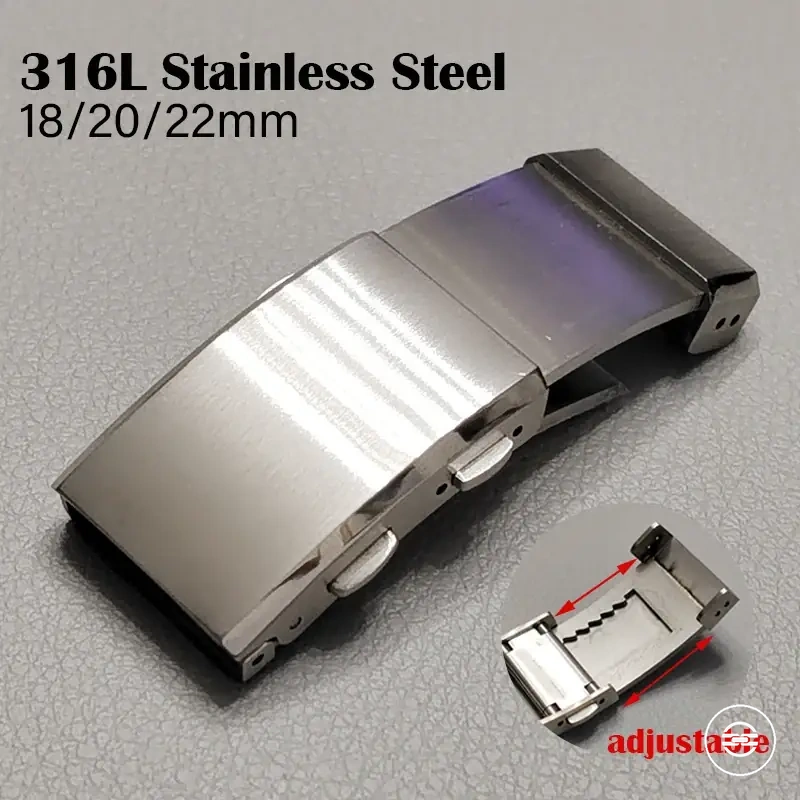
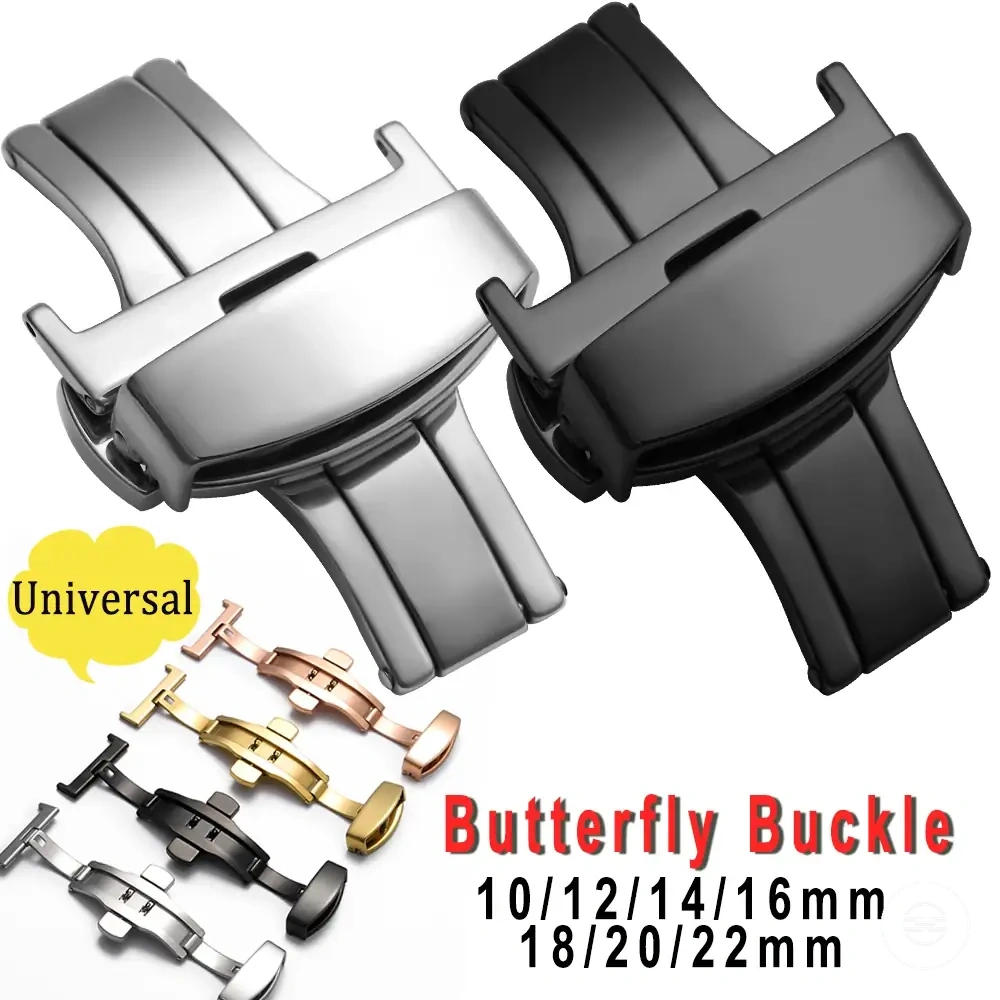
Locking Action and Release Resistance
Locking action is a local quality signal that can indicate how consistently a clasp engages during normal use. Check the following lock-feel cues because click confidence, latch alignment, and release resistance may vary by construction and wear condition.
- Click confidence: A clear, consistent click may indicate predictable engagement.
- Latch alignment: Even latch alignment may support a secure closure when fully engaged.
- Button resistance: Button resistance should feel controlled rather than unusually loose or difficult to press.
- Safety flap: When present, the safety flap should engage cleanly without obvious misalignment.
- Looseness: Light pull should not produce noticeable looseness after closure, although the feel can vary by clasp construction.
When comparing clasps, release resistance should balance secure closure with everyday usability. Excessively stiff release can reduce comfort or usability, while very light resistance may justify closer inspection without confirming a fault.
Thickness, Edges, and Pressure Points
Clasp thickness and physical shape are local inspection criteria because they determine where the clasp contacts the wrist during wear. Assess clasp thickness, the underside, edges, hinge protrusion, and likely pressure points together, since contact can vary with bracelet sizing and wrist shape.
When inspecting a close-fitting bracelet, use these touch points to evaluate physical contact rather than expecting universal comfort:
- Clasp thickness: A thicker clasp profile may create more noticeable underside contact on some wrists.
- Underside and edge smoothness: Smooth underside surfaces and rounded edges may reduce pressure points during normal wear.
- Hinge protrusion: A prominent hinge protrusion may create additional contact when the bracelet wraps around the wrist.
- Wrist bone: Check whether the clasp rests over the wrist bone, as this position may increase pressure points under certain wearing conditions.
- Bracelet sizing: Bracelet sizing changes contact with a close-fitting bracelet. For example, on a small wrist, a tighter fit may make clasp thickness or underside contact more noticeable during inspection.
Common Clasp Problems That Affect Selection
Common clasp problems are selection signals that can help determine whether a clasp type or product listing deserves closer evaluation before purchase. They should be interpreted as buying cues rather than repair instructions because the same symptom may have more than one underlying cause.
The diagnostic list below groups common symptoms by their likely attribute issue and the selection implication they may suggest.
- Loose closure: May indicate inconsistent engagement, making the clasp a candidate for closer inspection before selection.
- Difficult release: May reflect higher button resistance, which can affect everyday usability depending on user preference.
- Rattling: May indicate movement between clasp components and can serve as a quality signal when comparing similar options.
- Pinching: May point to a fit issue or pressure points related to clasp shape or bracelet fit rather than the clasp type alone.
- Misaligned safety flap: May reduce confidence in secure closure and should be treated as a selection signal.
- Accidental opening: May suggest a closure or fit concern that could justify avoiding the listing until additional information is available.
When these symptoms appear during inspection or comparison, they may reflect differences in quality, fit, or wear condition rather than a confirmed defect. Treat each clasp issue as decision friction instead of a final diagnosis.
A common misconception is that every symptom requires immediate repair. In this section, clasp problems are used only to support selection decisions, while detailed diagnosis remains outside the current scope.
For situations that require deeper diagnosis beyond these buying signals, see metal watch band clasp problems. This boundary helps separate selection guidance from dedicated troubleshooting without expanding into repair instructions.