
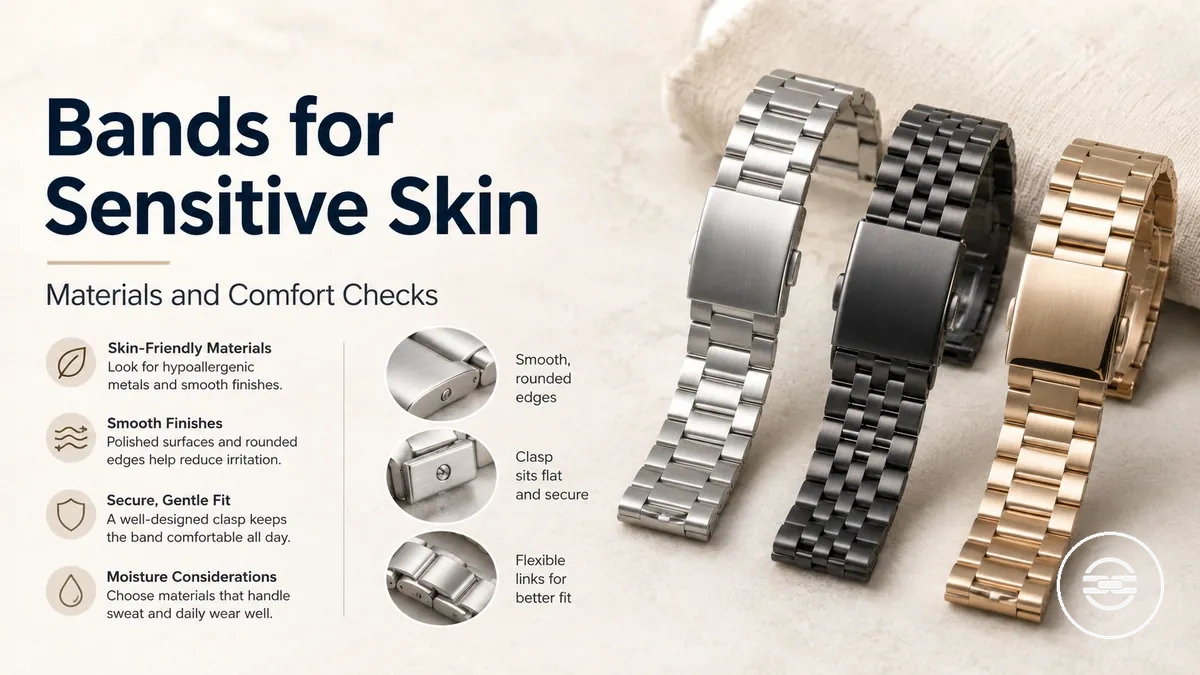
Metal Watch Bands for Sensitive Skin
Metal watch bands for sensitive skin can be suitable for some wearers when the material, contact surface, fit, and care conditions are favourable. No metal band is irritation-free for everyone, and sensitive-skin suitability depends on the material and wear conditions.
Metal watch bands for sensitive skin are evaluated by how the watch bracelet interacts with the wrist, including the alloy, nickel exposure, coating, clasp, underside hardware, and contact duration. When choosing metal watch bands, terms such as hypoallergenic or nickel-free should be viewed as qualified material claims rather than proof that every wearer will remain comfortable. Stainless steel may still differ by alloy and exposed hardware, while coatings can change with wear over time. This assessment supports product evaluation and should not be treated as a medical diagnosis.
Skin irritation, including redness, itching, or rash, may result from nickel exposure, friction, trapped sweat, residue, rough edges, or a poor fit rather than the metal alone. A careful comfort check starts by identifying possible irritation causes before relying on material claims such as hypoallergenic or nickel-free. From there, review the finish, coating, clasp, contact surface, fit, ventilation, and cleaning routine before making a final selection.
If irritation continues after adjusting the fit, cleaning the band, or reducing wear time, avoid assuming that a different finish alone will resolve the issue. Repeated skin reactions are a clear boundary for stopping use and seeking appropriate professional guidance before trying another metal band.
Why metal watch bands can irritate sensitive skin
Metal watch bands can irritate sensitive skin when wrist contact combines with sweat, friction, pressure, residue, or metal exposure. Not every skin reaction is an allergy, because wear conditions can also contribute to redness, itching, rash, or discomfort. The main irritation pathways are metal exposure, friction, trapped sweat, pressure, and residue.
Why metal watch bands can irritate sensitive skin becomes clearer when allergy-related triggers are separated from wear-condition triggers. Metal exposure from an alloy or contact point may contribute to irritation for a sensitive wearer, while rubbing, trapped moisture, soap residue, skin oils, or a tight fit can also affect the contact area without confirming an allergy. The image below labels common wrist contact points and the pathways that may lead to irritation. The bullet list then organises each trigger, its likely skin effect, and a cautious check.
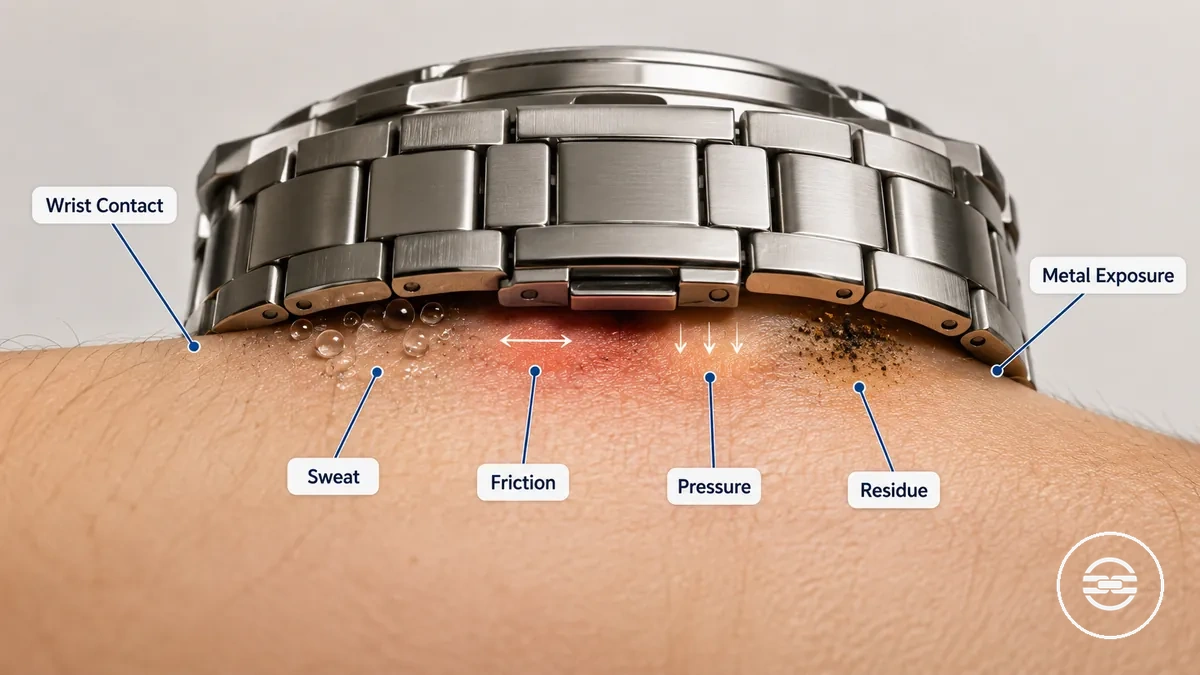
- Sweat trapped beneath the metal watch band may increase irritation or itching; check for trapped moisture around the wrist contact area.
- Friction from rubbing during wrist movement may contribute to redness or discomfort; check whether the band, links, or clasp move repeatedly against the skin.
- Pressure from a tight fit may cause discomfort or visible redness; check whether the band presses firmly into the wrist.
- Residue from soap, skin oils, or cleaning products may contribute to itching or rash-like symptoms; check whether the contact surface has been rinsed and cleaned thoroughly.
- Metal exposure from the alloy or exposed contact points may increase irritation risk for a person with skin sensitivity; check where the underside hardware or clasp touches the wrist.
If redness, itching, rash, or discomfort persists or becomes severe after basic cleaning and fit checks, seek appropriate professional advice rather than relying only on band-related troubleshooting.
Metal allergy, nickel exposure, and contact dermatitis risk
Metal allergy may occur when nickel exposure from a metal component comes into contact with sensitive skin over time. Nickel is a common allergen, but not every skin reaction is caused by a metal allergy. Nickel exposure from an alloy, clasp, or underside hardware during prolonged contact may increase contact dermatitis risk for susceptible individuals.
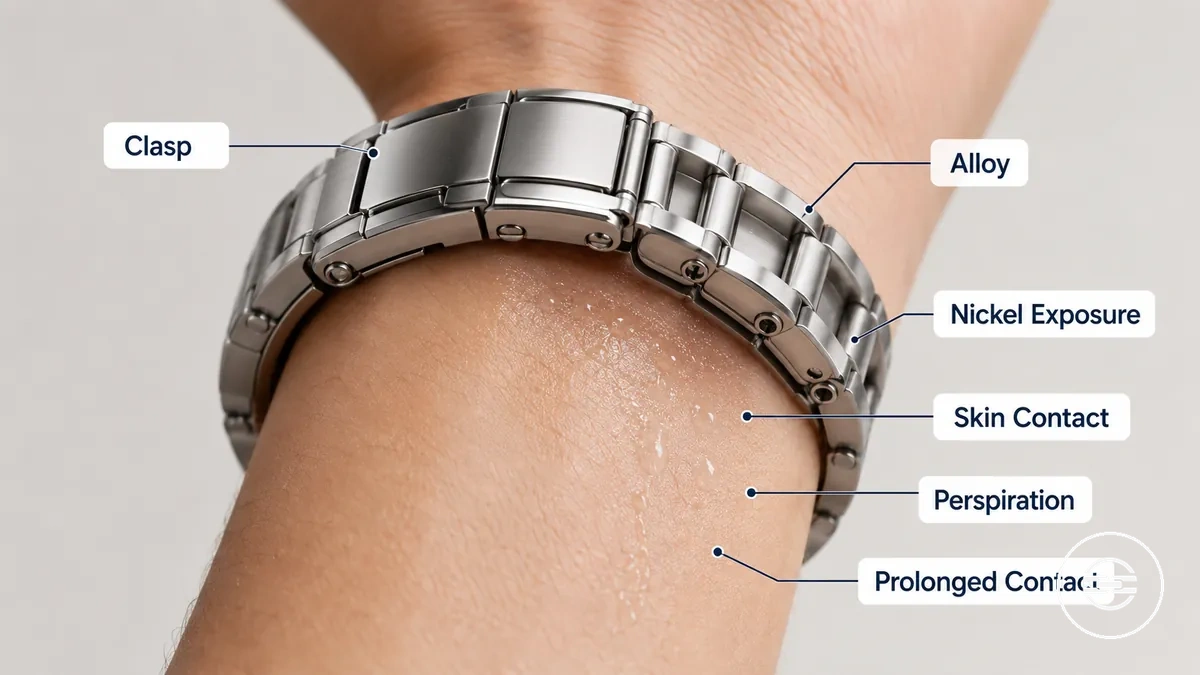
Metal allergy is a type of contact allergy in which an allergen such as nickel may trigger symptoms after skin contact. Perspiration and prolonged contact can increase exposure where the clasp, alloy, or underside hardware rests against the wrist. Symptoms such as redness, itching, or rash may have different causes and should be interpreted cautiously rather than treated as confirmation of contact dermatitis.
- Clasp | Prolonged contact | Possible redness or itching
- Underside hardware | Perspiration during wear | Possible skin reaction
- Alloy | Nickel exposure | Possible contact dermatitis risk in sensitive individuals
Sweat, friction, pressure, and trapped residue
When irritation develops during wear, sweat, friction, pressure, or trapped residue may be contributing factors even if the band material is not the only cause. Sweat, friction, pressure, and trapped residue can increase discomfort by retaining moisture against the skin or creating repeated rubbing at contact points. Unlike material sensitivity, these wear conditions may change with fit, movement, or daily use.
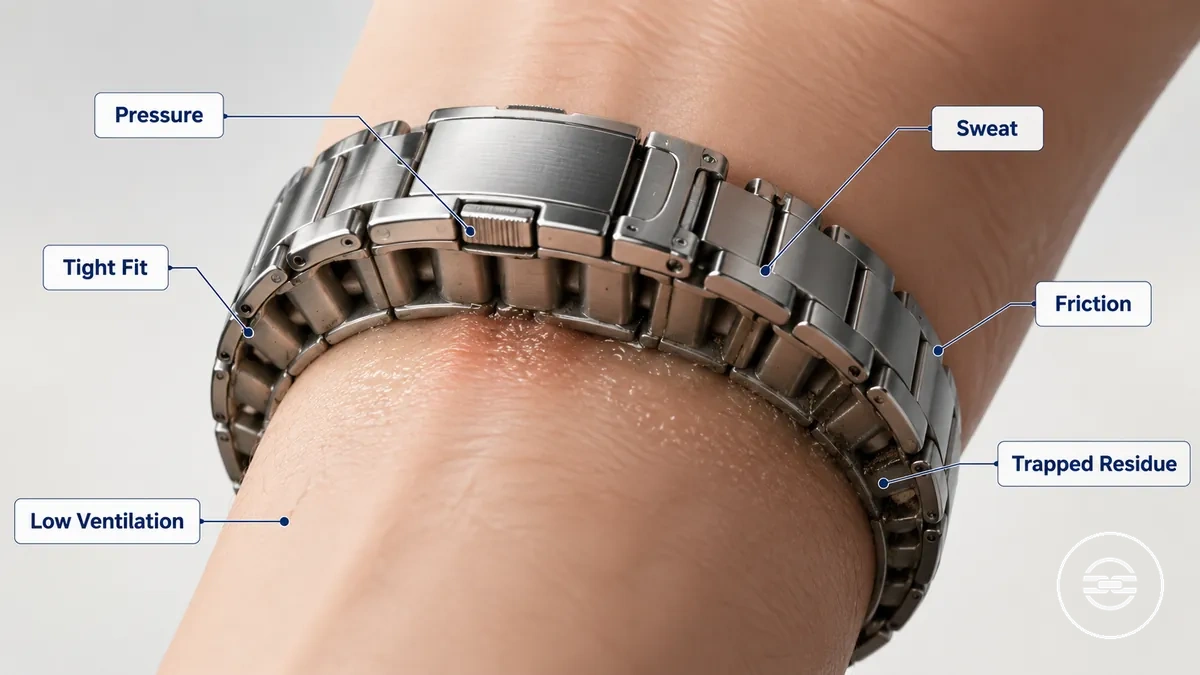
If irritation appears after extended wear, assess the contact conditions before assuming the material is responsible. A comfortable fit, natural movement, and adequate ventilation may improve comfort by reducing moisture retention and pressure, while trapped residue or soap residue can also contribute to discomfort. The checklist below helps identify common wear-condition causes and their possible comfort outcomes.
- Fit: Check that the band is secure without excessive tightness; this may reduce pressure and improve comfort.
- Movement: Check for repeated rubbing around link edges or the clasp; less friction may reduce redness or discomfort.
- Ventilation: Check whether moisture can dry during daily wear; better airflow may improve comfort.
- Sweat and moisture: Check for trapped moisture beneath the band; reducing moisture retention may lower irritation risk.
- Trapped residue: Check for soap residue or skin oils on contact surfaces; removing buildup may improve wearing comfort.
Hypoallergenic and nickel-free metal band claims
Hypoallergenic and nickel-free metal band claims are useful decision signals, but they should be evaluated against the material, coating, hardware, and seller wording rather than accepted as proof of safety. The level of confidence depends on how clearly the claim identifies the skin-contact components. For sensitive skin, these claims can guide selection, but they are signals, not guarantees.
Hypoallergenic describes an intention to reduce the likelihood of skin reactions, while nickel-free refers to the composition of specific components. These terms are not interchangeable because a clasp, pins, or underside hardware may differ from the main band material. Clear proof detail, such as material disclosure for skin-contact parts, provides stronger confidence than broad seller wording. The table below compares common claim types and the remaining caution for sensitive skin.
Review claim wording to confirm which skin-contact components are covered instead of assuming the statement applies to the entire band. Check the clasp and other hardware as carefully as the visible links because remaining risk may depend on those contact points.
| Claim type | What to check | Confidence signal | Remaining caution |
|---|---|---|---|
| Hypoallergenic | Material disclosure and seller wording | Specific proof detail | May still vary for sensitive skin |
| Nickel-free | Clasp, pins, and underside hardware | Components clearly identified | Verify all skin-contact parts |
| Stainless steel | Material information | Clear material disclosure | Composition may vary |
| Coated or plated | Coating and base material details | Coating explained | Wear may expose underlying material |
| Mixed-hardware claims | All skin-contact hardware listed | Complete hardware disclosure | Unspecified parts may require caution |
What hypoallergenic usually means for watch bands
A hypoallergenic watch band is intended to reduce irritation risk and allergy risk by using a material and contact surface associated with lower exposure to common irritants, not to eliminate all reactions. For sensitive skin, the claim indicates a reduced-risk intent rather than a universal safety promise. Any reduction in irritation probability depends on the material and contact surface, so a reaction is still possible and is not guaranteed.
A common misconception is that hypoallergenic means reaction-proof, but the term only describes the intended reduced-allergen purpose of the watch band. The claim should be evaluated with its wording and applied alongside material and contact-surface checks rather than treated as evidence that every wearer will have the same skin response.
Why nickel-free claims still need material and hardware checks
Nickel-free claims should be checked across every skin-contact component because the wording may apply to only part of the watch band. Material checks and hardware checks help verify whether the band body, clasp, pins, coating, plating, or underside hardware could create an exposure pathway that may affect sensitivity risk.
Mixed-material construction can create a claim gap when different components use different materials or finishes. Verify each skin-contact part instead of relying on a single nickel-free statement, then use the checklist below to review the key components.
- Band body: Does the nickel-free claim clearly apply to the main band material?
- Clasp: Is the clasp included in the material checks, or is it made from a different component?
- Pins: Do the hardware checks confirm the pins follow the same nickel claim?
- Coating or plating: Does the description explain whether coating or plating could affect the exposure pathway as surfaces wear?
- Underside hardware: Are hidden skin-contact parts included in the nickel-free claim?
Metal materials that are safer for sensitive skin
Metal materials for sensitive skin should be compared by alloy, nickel content, reactivity, coating condition, hardware, and personal sensitivity rather than by the material label alone. Titanium, stainless steel, coated metals, and mixed hardware may all be suitable in different situations, but compatibility depends on the complete contact surface and construction. Material choice is therefore a risk-reduction decision rather than a guarantee.
A material label does not always describe every skin-contact component. Alloy composition, coating condition, surface feel, and attached hardware may influence irritation risk, especially if coatings wear or different metals are combined. Comparing these factors helps narrow suitable options without assuming one material is appropriate for every wearer. The comparison table below summarises the key skin-relevant considerations.
| Material or label | Skin-relevant attribute | What to verify | Sensitive-skin caution |
|---|---|---|---|
| Titanium or low-reactivity metal | Typically low reactivity | Alloy details and contact hardware | Suitability still depends on the complete contact assembly |
| Stainless steel | Alloy and nickel content may vary | Material grade and skin-contact components | Nickel exposure depends on the specific alloy and contact surfaces |
| Coated metal | Protective coating over a base metal | Coating condition and surface wear | Wear may increase exposure to the underlying metal |
| Plated metal | Thin plated surface | Plating quality and base material | Surface wear may change irritation risk over time |
| Mixed hardware | Different materials in one watch band | Clasp, pins, and other skin-contact parts | Material labels may not apply to every component |
For a broader comparison of metal watch band materials, review how different alloys and constructions may influence skin compatibility beyond this overview.
Titanium and low-reactivity metal options
Titanium and other low-reactivity metal options may reduce nickel concern for some people with sensitive skin when the complete contact surface matches the stated material. A smooth contact surface may also improve comfort, but coating, clasp material, and other hardware should still be verified. Titanium and similar low-reactivity options are therefore best viewed as potentially suitable choices for some users rather than automatic solutions.
Material labels alone may not describe every skin-contact component. Check the coating, clasp material, and seller wording to confirm what the band body and hardware are made from before deciding whether a watch band is likely to suit your needs.
- Coating: Verify whether the contact surface is solid titanium or a coated finish that may wear over time.
- Clasp material: Check whether the clasp material and other contact hardware use the same low-reactivity metal as the band body.
- Seller wording: Look for clear material disclosure that applies to the complete skin-contact assembly, not only the main band.
Stainless steel grades and sensitivity limits
Stainless steel can be suitable for some people with sensitive skin, but its suitability depends on the grade, alloy, finish, contact duration, and the materials used across the complete band. Different stainless steel grades may vary in nickel exposure and corrosion resistance, while mixed hardware can introduce additional contact surfaces. Stainless steel should therefore be evaluated as a conditional option rather than a universally suitable one.
A common misconception is that every stainless steel band is either nickel-free or unsuitable for sensitive skin. In practice, grade disclosure, alloy details, finish quality, and mixed hardware such as clasps or pins all influence how a band should be assessed. Treat vague stainless steel or unspecified alloy wording with caution before assuming it offers lower nickel exposure or improved suitability.
| Claim | Safer interpretation |
|---|---|
| Generic stainless steel | Verify the grade, alloy, finish, and mixed hardware because the label alone does not confirm lower nickel exposure. |
| Higher-grade stainless steel | May be a better option for some users, but suitability still depends on the complete contact surface, contact duration, and individual sensitivity. |
Surface finish and contact-point comfort
Surface finish and contact-point comfort depend on the skin-facing parts of a metal watch band rather than on its appearance alone. The underside texture, link edges, clasp shape, coating condition, and polishing quality can influence friction, pressure, residue retention, and potential irritation during daily wear. Skin-facing surfaces should therefore be the primary focus when assessing comfort.
A decorative finish does not necessarily create a more comfortable contact surface. A smooth finish may reduce rubbing, while a worn finish, rough edge, or damaged plating or coating condition can increase friction or expose a different contact surface. Evaluating each contact point separately helps distinguish surface comfort from finish appearance. Use the checklist below to review the areas most likely to affect day-to-day wear.
- Surface finish: A smooth finish may reduce friction, while a rough contact surface can increase rubbing against the wrist.
- Underside texture: An even underside texture may improve contact-point comfort, while deeper texture can retain more residue and require more frequent cleaning.
- Link edges: Smooth link edges may reduce pressure points, whereas rough edges can increase irritation risk during wrist movement.
- Clasp shape: A clasp shape with even wrist contact may distribute pressure more comfortably than one with pronounced edges.
- Coating condition: A worn coating or plated surface may change the contact surface and should be checked if irritation develops.
- Polishing quality: Consistent polishing quality may create a smoother contact surface, while uneven polishing can increase friction in high-contact areas.
For a broader comparison of appearance-focused options, see metal watch band finishes, while keeping comfort decisions focused on the skin-facing contact surfaces.
Smooth edges, underside surfaces, and clasp contact
Pressure points and rubbing often develop where a watch band physically touches the wrist rather than across the entire band. Inspect smooth edges, underside surfaces, clasp contact, clasp bulk, link articulation, and case-side contact because each area may influence friction or create a pressure point depending on wrist movement and individual sensitivity. Use the checklist below to perform these physical contact checks.
- Smooth edges: Check each contact edge for roughness that may increase friction during normal wrist movement.
- Underside surfaces: Feel the underside texture for uneven areas or residue that could increase rubbing against the skin.
- Clasp contact: Assess whether clasp bulk creates a pressure point when bending or resting your wrist.
- Link articulation: Move the links through their full range to check for pinching or rubbing that may occur as the band flexes.
- Case-side contact: Check where the band meets the watch case to ensure uneven contact does not create additional friction for some wearers.
Coated, plated, and worn surfaces against the skin
Coated metal and plated metal should be treated as conditional choices because surface integrity influences how the skin contacts the band over time. An intact coating may reduce direct contact with the base metal, while a worn surface or visible roughness can increase exposure at skin-contact areas and may raise irritation risk for people with nickel sensitivity. Coating condition matters more than coating claims alone.
A common misconception is that a coating permanently prevents skin reactions. In practice, coating wear, plating wear, or exposed metal in a contact area can change both surface texture and skin exposure, although not every worn finish causes a problem. Worn surfaces deserve closer inspection when visible roughness or exposed base metal appears where the band rests against the wrist.
| Surface condition | What it may mean | Sensitive-skin caution |
|---|---|---|
| Intact coating | Surface integrity remains continuous over the contact area. | Monitor the coating over time rather than assuming continued protection. |
| Visible wear | Parts of the base metal may become exposed. | Check whether the worn surface contacts the skin directly. |
| Rough plating | Surface roughness may increase friction during wear. | Inspect areas that coincide with rubbing or irritation risk. |
| Unknown base metal | The underlying material cannot be confirmed. | Use extra caution if nickel sensitivity is a concern and the contact surface is unclear. |
Fit conditions that reduce irritation during wear
Fit conditions can reduce irritation during daily wear by limiting unnecessary pressure, rubbing, and sweat buildup. Band length, link adjustment, clasp placement, wrist size, ventilation, and wear duration all affect how the band sits and moves against the skin. Selecting a wrist fit that supports airflow and avoids concentrated pressure may help reduce irritation.
If irritation appears mainly after long wear, exercise, or heat, assess the band under those same conditions rather than judging the fit only at rest. Band length and link adjustment can change movement and pressure, while clasp placement may create rubbing where the wrist bends or rests against a surface. Wrist size, activity, and perspiration can also alter comfort during daily wear. Use the checklist below to review the main fit variables.
- Band length: Check that the band is not so tight that it concentrates pressure or so loose that it moves enough to cause repeated rubbing.
- Link adjustment: Adjust the links so the band follows the wrist without pinching or sliding excessively, which may reduce friction at repeated contact points.
- Clasp placement: Check whether the clasp sits over a sensitive or high-pressure area, as repositioning may reduce local rubbing.
- Wrist size: Reassess the fit when the wrist feels fuller or smaller during the day because changes in wrist size may alter pressure.
- Ventilation: Check whether the fit allows enough airflow to limit sweat buildup against the skin.
- Wear duration: If irritation develops only after extended wear, shorten the wear period or reassess the adjustment during heat or exercise.
A comfort fit may vary with wrist shape, movement, temperature, and activity. Heat, exercise, or longer wear duration can increase sweat buildup and change pressure, so the most suitable adjustment may depend on when irritation appears.
Tightness, movement, ventilation, and daily wear time
Tightness, movement, ventilation, and daily wear time can each affect how the skin responds to a metal watch band. Reviewing these wear behaviours may help reduce sweat retention, rubbing, pressure marks, or insufficient recovery time. Check the four variables below for condition-specific signs and adjustment implications.
- Tightness: If the band leaves persistent pressure marks or traps moisture, tightness may be concentrating pressure and increasing sweat retention. A modest adjustment may reduce discomfort without relying on a fixed fit rule.
- Movement: If the band shifts repeatedly and link edges rub the skin, excess movement may contribute to irritation. Limiting unnecessary sliding may reduce repeated rubbing during daily use.
- Ventilation: If moisture remains under the band, limited ventilation may reduce airflow and increase sweat retention. Allowing more airflow may improve comfort when the skin feels damp.
- Daily wear time: If discomfort appears only after extended wear, longer wearing duration may leave less recovery time between contact periods. Shorter wear periods or breaks may help when irritation is linked to daily wear time.
Adjustability and clasp placement for sensitive wrists
Adjustability can improve comfort for sensitive wrists by helping distribute pressure more evenly rather than concentrating it in one area. Adjustable links, micro-adjustment, wrist contour, and case balance influence how the bracelet sits during daily wear, and the most suitable setup depends on wrist shape and clasp design. These fit features may support more even pressure distribution.
If discomfort is limited to one part of the wrist, review clasp placement before making broader fit changes. A clasp position that follows the wrist contour and supports case balance may reduce a local pressure point, making clasp placement the main local comfort check.
- Adjustable links: Removable links can help balance the bracelet around the wrist so pressure is less concentrated on one side.
- Micro-adjustment: When available, micro-adjustment can provide small fit changes that may improve comfort as wrist shape or daily conditions vary.
- Clasp placement: Check whether the clasp is centred comfortably beneath the wrist without creating a persistent pressure point or shifting the case off balance.
- Wrist contour: Compare the bracelet position with the natural wrist contour, as different wrist shapes may respond better to different adjustment patterns.
Cleaning and residue control for sensitive skin
Cleaning can help reduce residue-related irritation by limiting the buildup of sweat, soap, skin oils, and moisture on a metal band. Residue control also depends on band design because link gaps may retain debris and moisture between wears. Keeping residue under control and allowing the band to dry may lower irritation and odor risk for sensitive skin.
When residue buildup remains on the band, sweat, soap, and skin oils may stay in contact with the skin for longer. Gentle cleaning, suitable drying, and a safe cleaning frequency can help maintain comfort without turning maintenance into an aggressive cleaning routine. Use these simple cleaning-control steps.
- Clean the metal band according to visible residue and wear conditions, but avoid unnecessary over-cleaning that may increase surface wear and reduce comfort.
- Dry the band thoroughly after cleaning or exposure to sweat, while avoiding prolonged moisture that may increase odor risk or discomfort.
- Check link gaps for trapped sweat, soap, and skin oils, but keep cleaning gentle to reduce residue without damaging the band.
- Avoid harsh chemicals and abrasive cleaning on a coated surface or plated surface because these methods may damage the finish and affect comfort.
For detailed maintenance guidance, see how to clean metal watch bands.
When a metal band may not be the safest choice
A metal band may not be the safest choice when irritation continues despite changes to material, finish, fit, or cleaning. Repeated reactions can indicate that wear adjustments are not resolving the underlying sensitivity pattern. When repeated irritation signals persist, pausing or avoiding further contact may be safer.
If a repeated rash returns after different adjustments, reassess whether continued metal contact remains suitable. A confirmed metal allergy, coating wear, persistent moisture, or recurring pressure marks may each require a different safety response. These signs can help separate temporary irritation from a repeated sensitivity pattern. Use the checklist below to decide whether to pause, avoid, switch, or seek professional advice.
- Repeated rash: Pause wearing the band and reassess if the rash returns after repeated use.
- Confirmed metal allergy: Avoid contact with the identified metal and seek professional advice about suitable next steps.
- Coating wear: If coating wear exposes the base metal or changes the contact surface, pause use and reassess whether continued wear is appropriate.
- Persistent moisture: Pause wearing the band if moisture repeatedly remains under it and contributes to discomfort.
- Pressure marks: Reassess the fit or stop wearing the band if pressure marks persist after reasonable adjustments.
- Professional advice: Seek professional advice if symptoms are severe, persistent, or continue after changes to fit, material, and maintenance. A non-metal option may be considered as a limited safety route rather than the main focus.
Choosing a metal watch band when skin sensitivity is the priority
Choosing a metal watch band for skin sensitivity depends on comparing practical comfort criteria rather than product claims. A cautious buying decision should weigh the contact surface, material information, fit, and ongoing maintenance instead of relying on marketing language. The decision should remain criteria-led.
If irritation has occurred before, start by reviewing the material claim rather than the product name. Consider whether the available information helps assess possible nickel exposure and whether the contact surface has a smooth, well-maintained finish. If these details remain unclear, compare alternatives before deciding. Material claim, nickel exposure, and contact surface form the first decision layer.
If daily wear comfort changes throughout the day, evaluate the wear conditions before making a buying decision. Adjustability and clasp position may support more balanced pressure distribution, while maintenance need and residue control remain part of daily wear comfort. When these factors cannot be managed easily, reassess the choice before purchasing. Adjustability, clasp position, and cleaning need form the wear-context layer.
Choosing a metal watch band with skin sensitivity as the priority means comparing criteria rather than assuming universal suitability. When the available information supports your comfort criteria, you may compare and buy; if important criteria remain uncertain or irritation may continue, avoid or reassess the decision.
The products below are useful examples for comparing available options. Before buying, check that the compatibility criteria, key features, and product details match your needs.
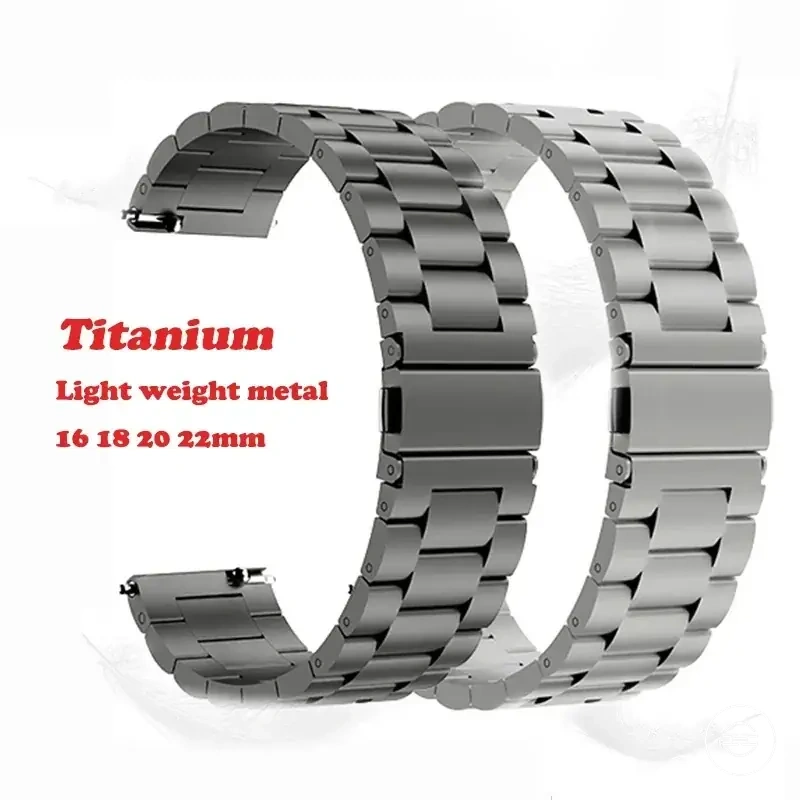
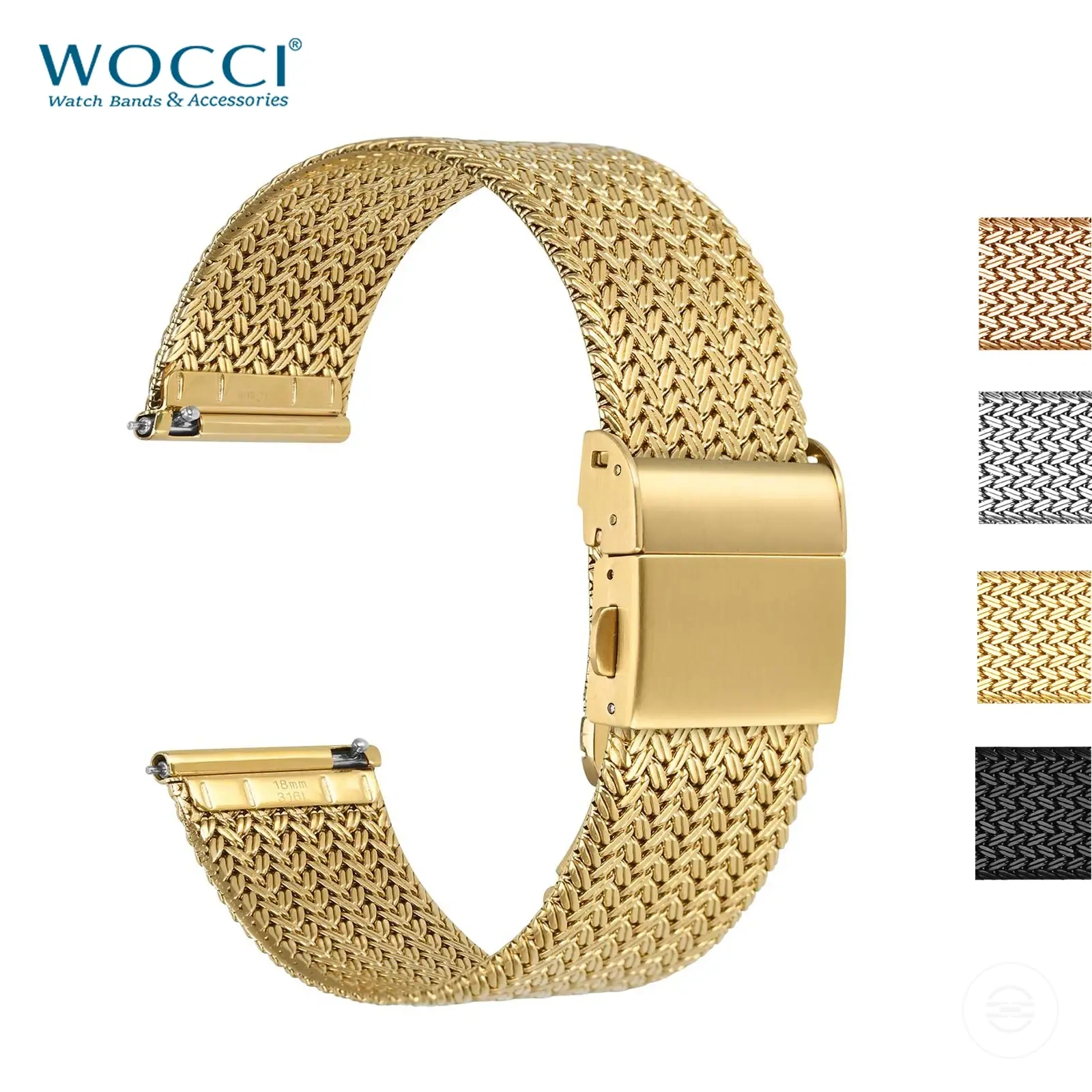
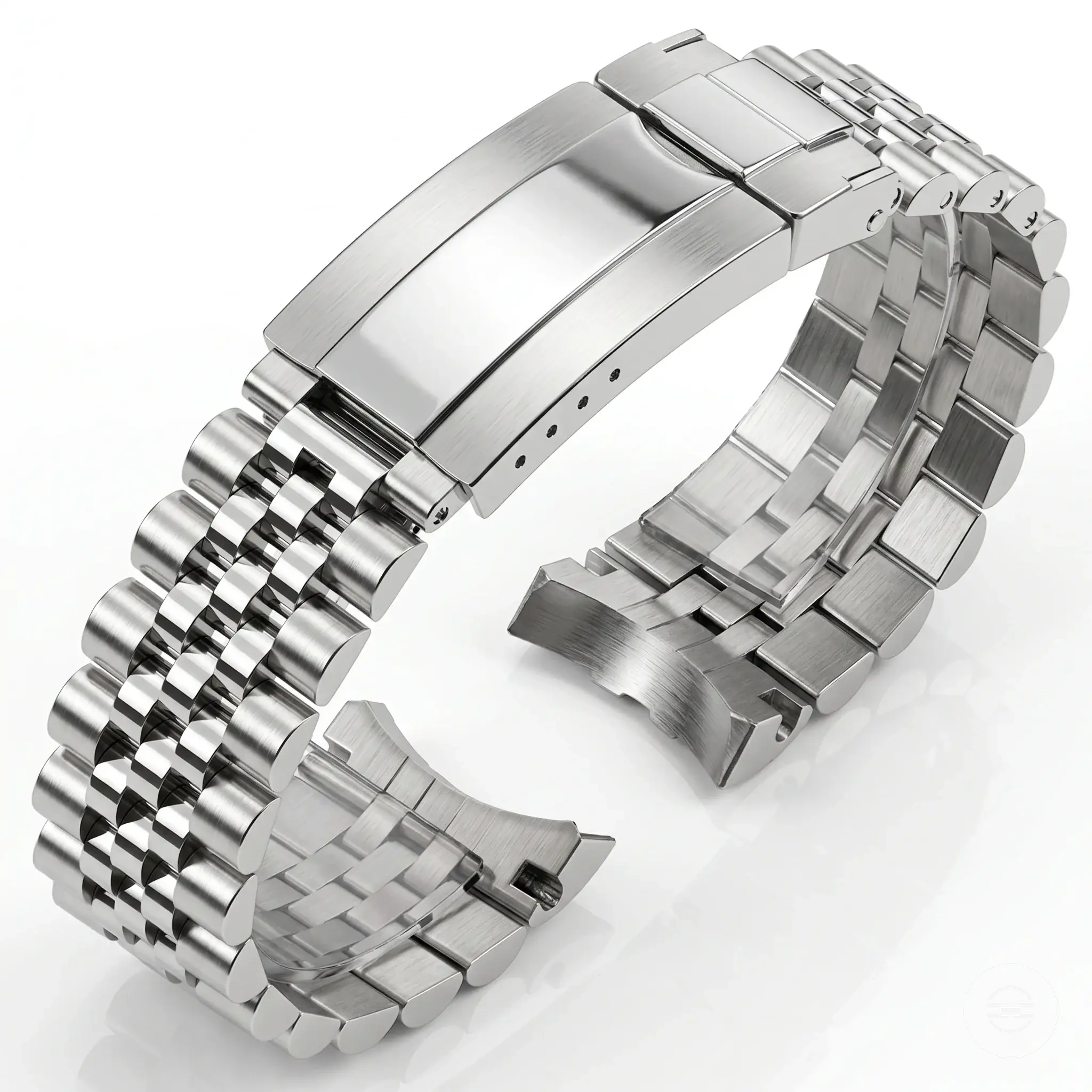
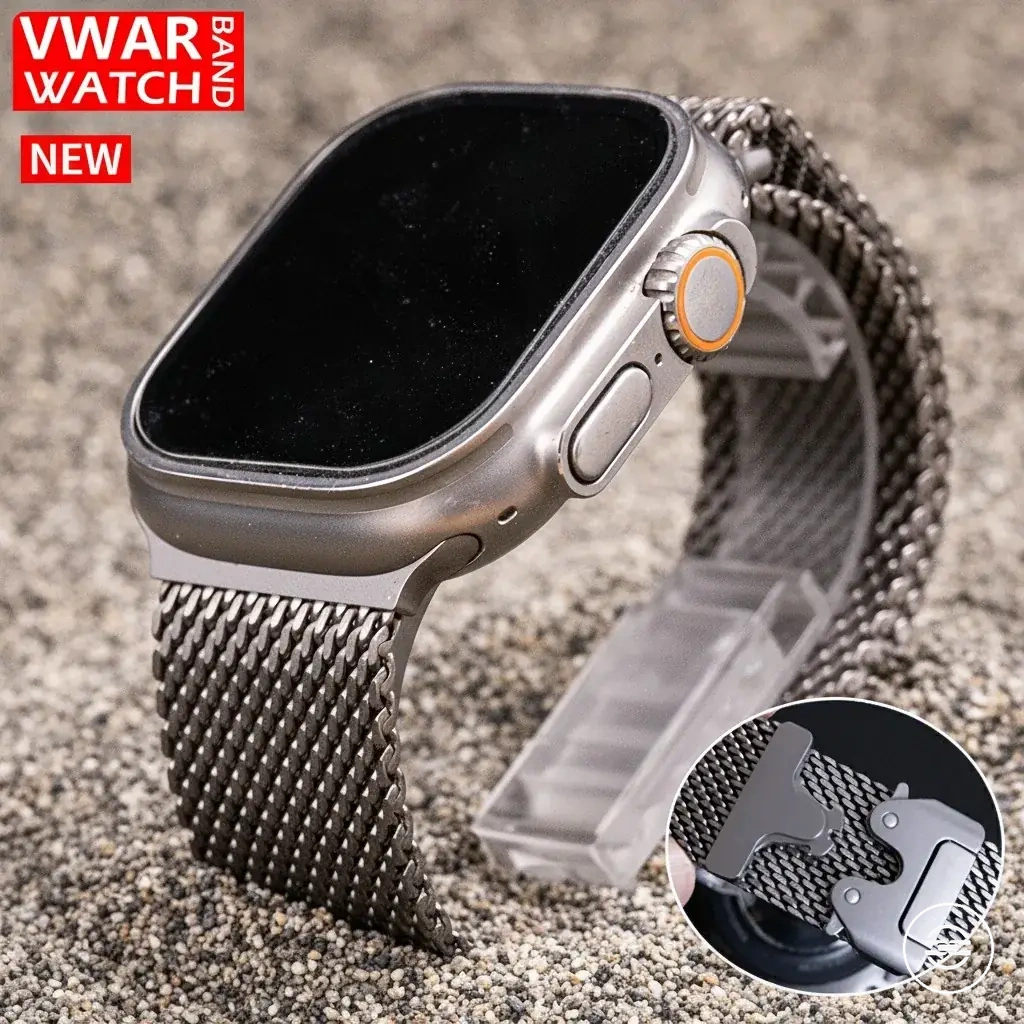
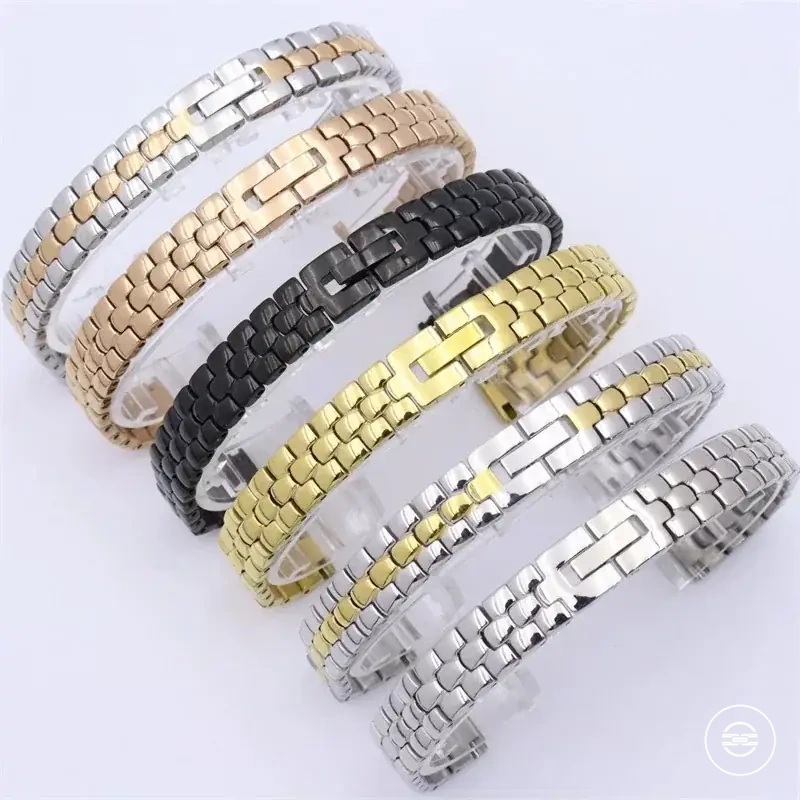
- Material claim: Compare options that clearly describe the material before making a buying decision.
- Nickel exposure: Reassess or avoid an option if its material information does not clarify potential nickel exposure.
- Contact surface: Compare the finish and smoothness of the contact surface before deciding to buy.
- Adjustability: Consider buying only when the band can be adjusted to support comfortable daily wear.
- Clasp position: Compare designs that may allow comfortable clasp placement and balanced pressure distribution.
- Maintenance need: Reassess an option if its cleaning need and residue control requirements are unlikely to fit your routine.
- Overall decision: Compare all criteria together before choosing to buy, avoid, or reassess.